At a glance
Kyoto has only two subway lines, and its major temples rely heavily on buses. Yet as of 2026, the dedicated bus one-day pass (700 yen) has been abolished, while a separate proposal about visitor bus fares remains subject to the latest official decision. This guide lays out the Kiyomizudera, Fushimi Inari, Arashiyama, Gion, and Nishiki Market routes plus the latest transport and etiquette information as facts. It’s a guide that works just as well for Korean travelers as for visitors from Taiwan and Hong Kong.
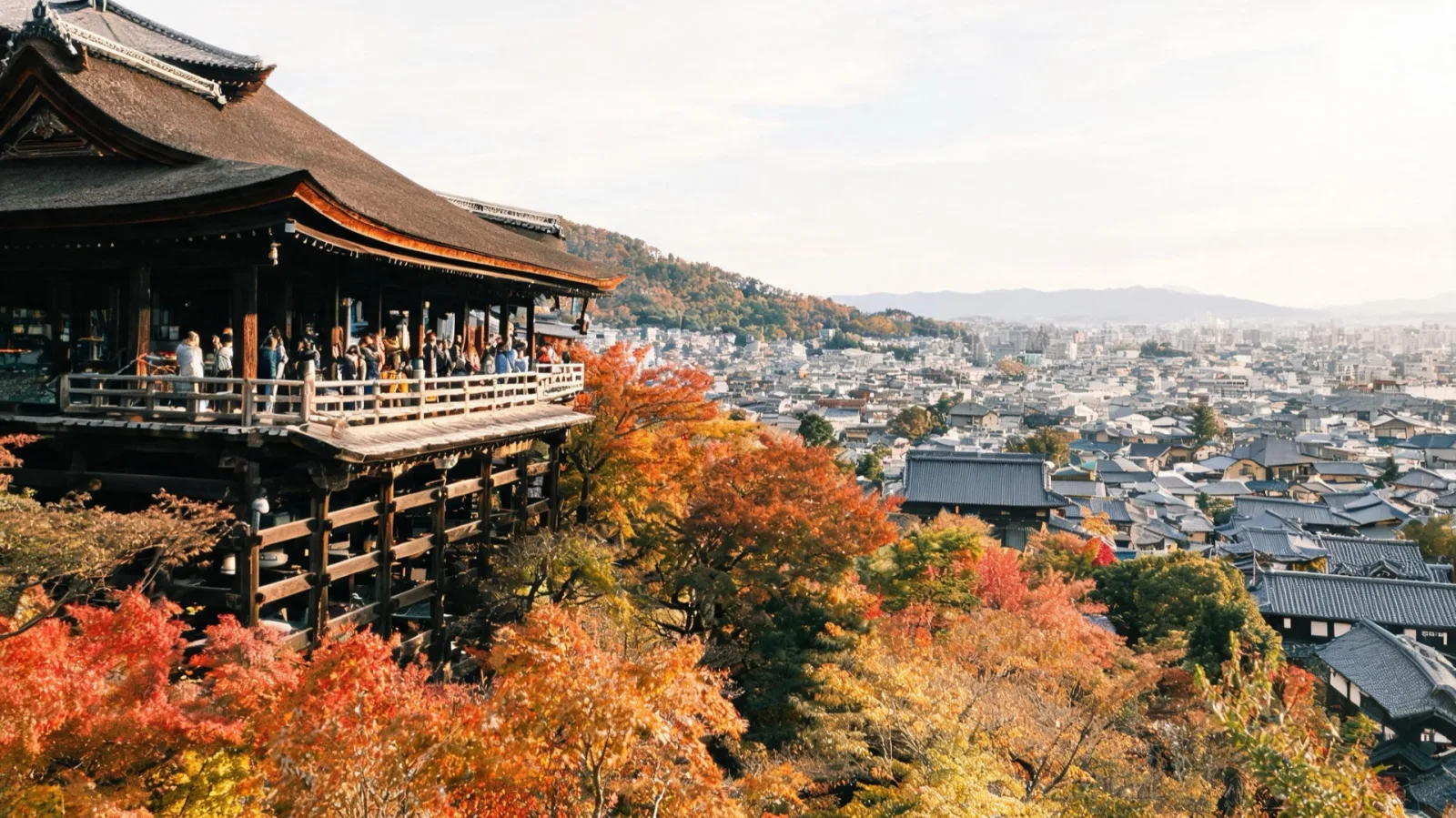
Highlights — Don’t Miss These
- Kiyomizudera: A temple that represents Kyoto. It connects to Sannenzaka and Ninenzaka.
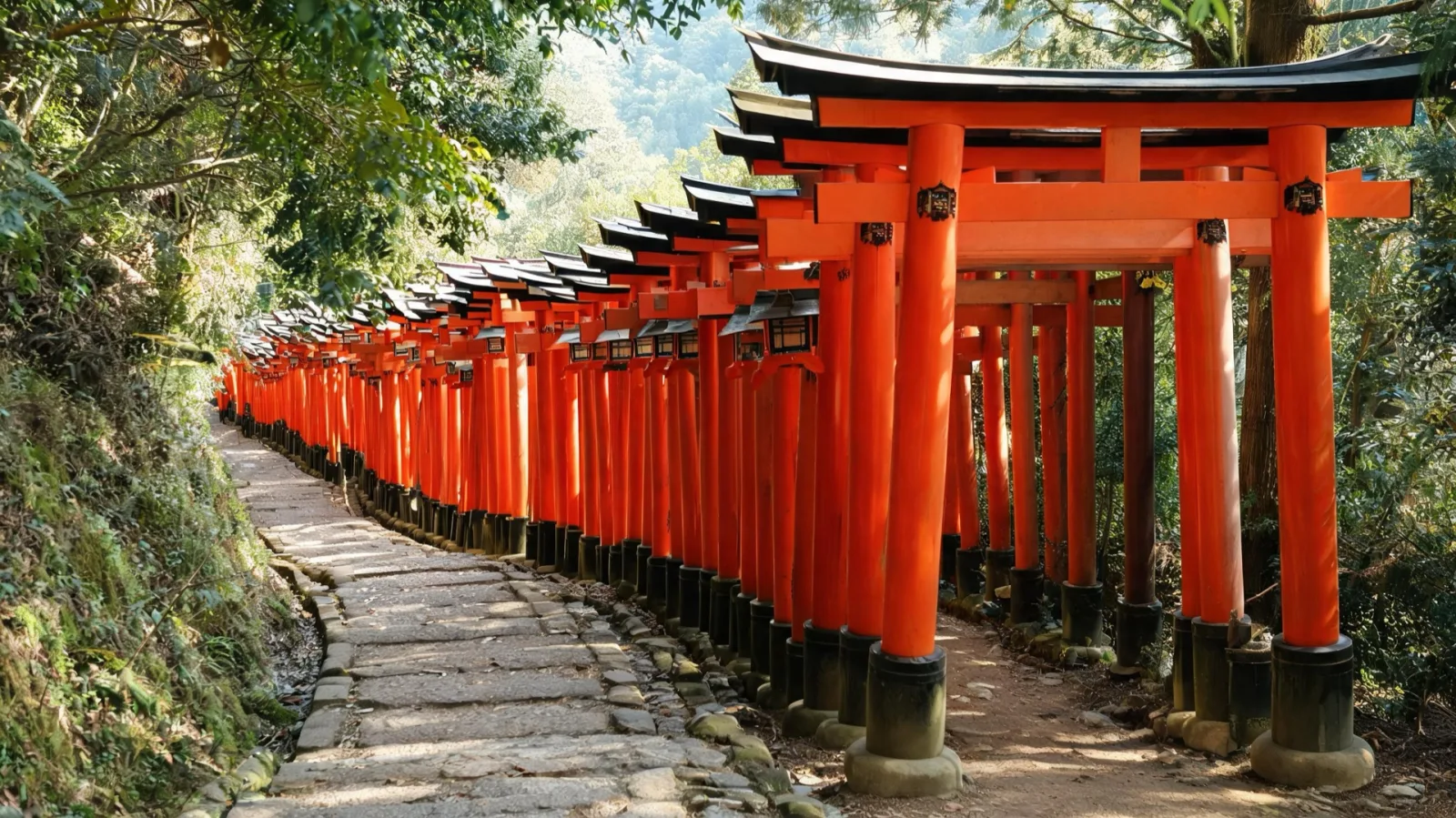
- Fushimi Inari Taisha: A thousand torii gates. Free admission, open 24 hours.
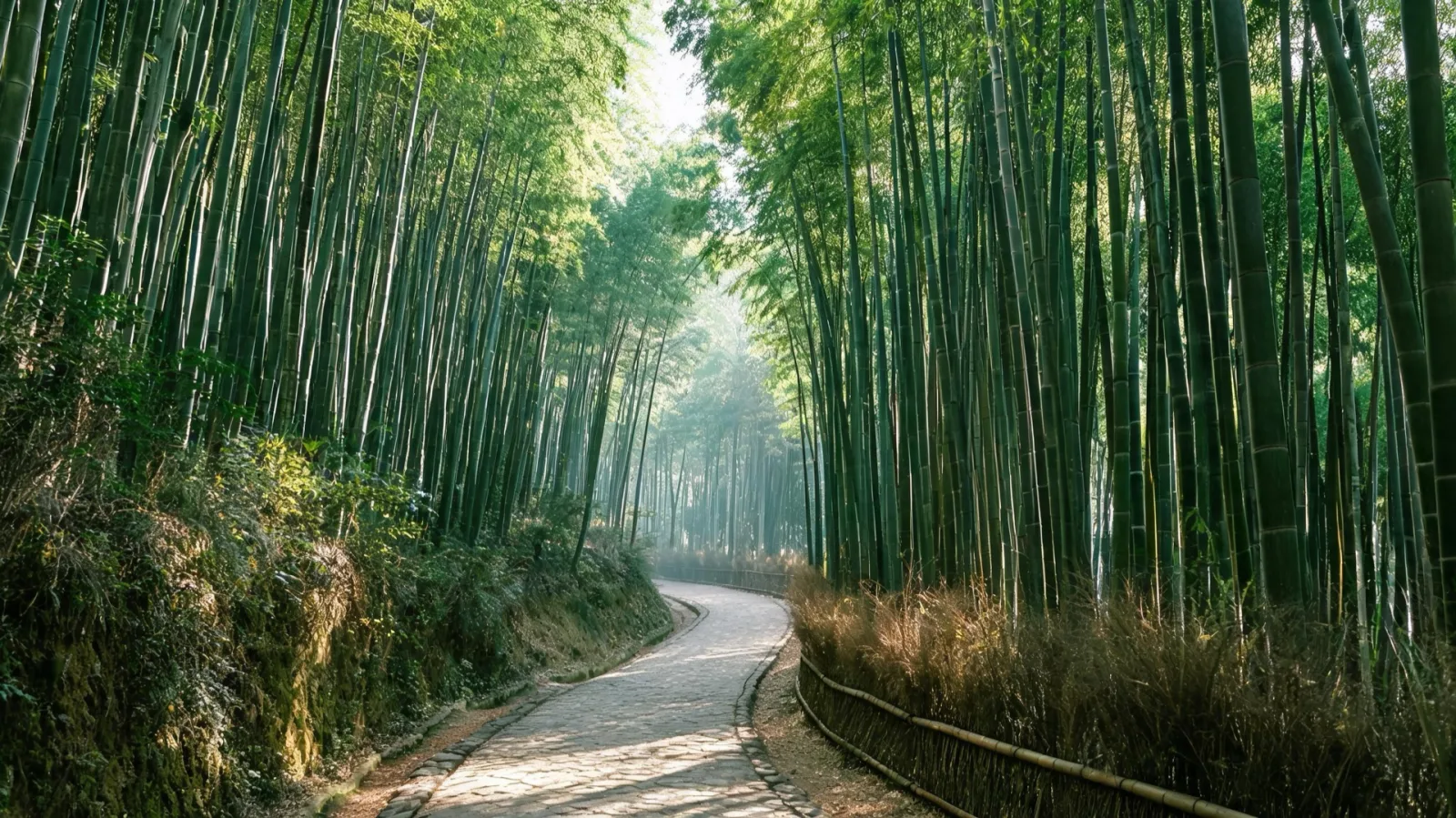
- Arashiyama Bamboo Grove (Chikurin): Free, open 24 hours. Extremely crowded in the daytime.
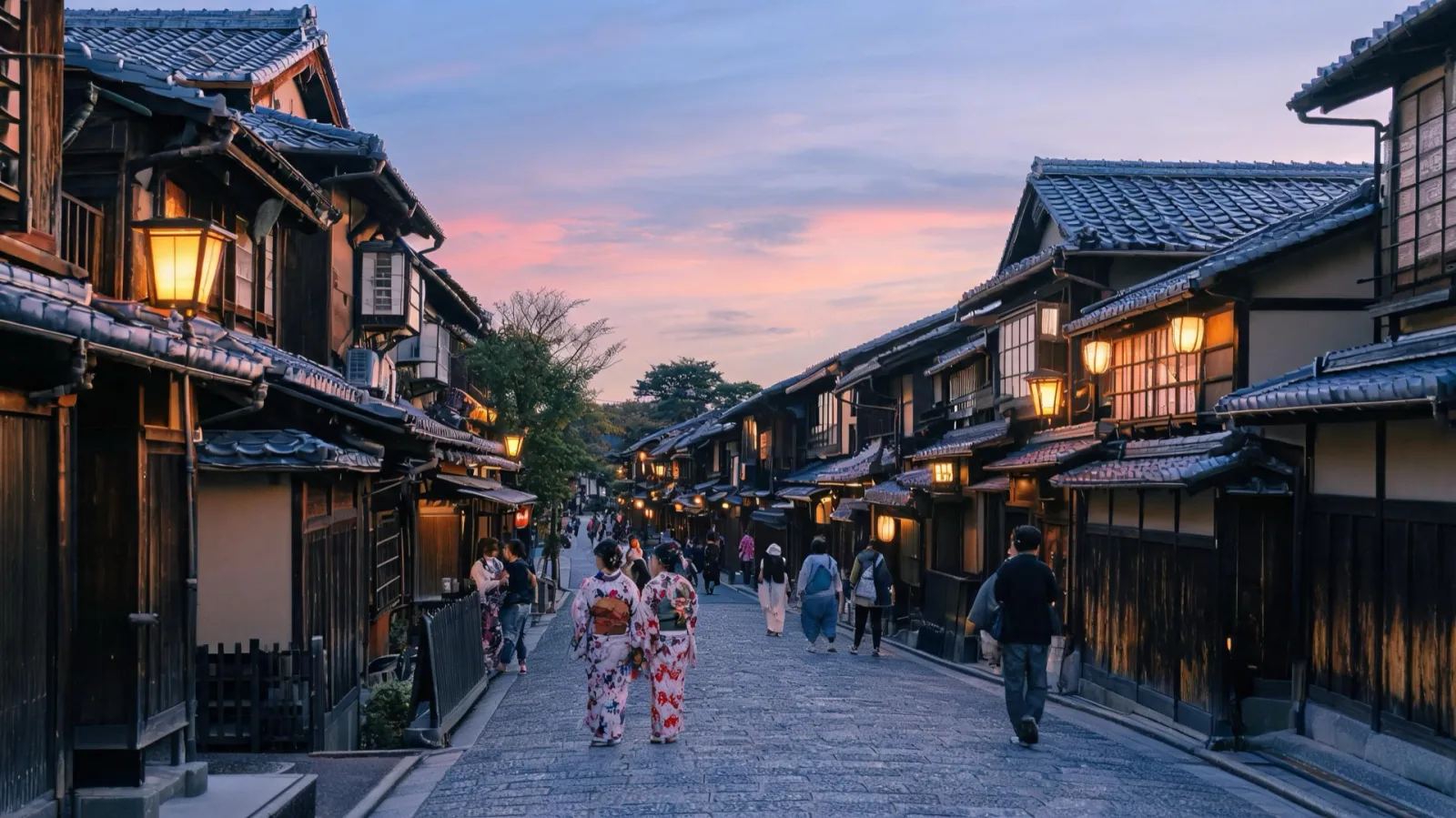
- Gion & Hanamikoji: Traditional streets. Lovely in the evening.
- Nishiki Market: “Kyoto’s kitchen.” The heart of a food tour.
Essential Info Table (Fees, Hours, Reservations)
| Item | Fee / Details | Notes |
|---|---|---|
| Kiyomizudera admission | Around adult ¥500 | 06:00–18:00 (varies by season) |
| Fushimi Inari Taisha | Free, open 24 hours year-round | 2+ hours round trip to the summit |
| Arashiyama Bamboo Grove | Free, 24 hours | Best before 08:00 |
| Sagano Scenic Railway (Torokko) | Adult fare varies by current timetable | Check operating days and fares on the official page |
| Kyoto dedicated bus 1-day pass | Abolished (sales ended) | An overtourism measure |
| Subway & bus 1-day pass | ¥1,100 | The current standard pass |
| City bus base fare | ¥230 on the cited official fare FAQ | Recheck the current fare before travel |
| Kansai Airport↔Kyoto Haruka | About 75–80 min, one way about ¥3,110– | Non-reserved; departures every 20–30 min |
| Nishiki Market | Mostly around 10:00–18:00 | Quietest before 11:00 a.m. |
- Key change: The bus-only one-day pass ended on September 30, 2023. Kyoto’s current official pages list the Subway & Bus 1-day Pass at ¥1,100 for adults and ¥550 for children, and a city-bus fare of ¥230 on the cited FAQ. Any later visitor-fare proposal should be checked against the latest official notice; it is not treated here as an implemented price.
- The Torokko runs Saga–Kameoka, 7.3 km, about 25 minutes. It sells out early in peak season, so advance reservations are recommended.
- Won conversion is based on roughly 1 yen ≈ 9.5 won; recheck if exchange rates change.
Suggested Routes
Day 1 — Gion & Higashiyama area Kiyomizudera (early morning) → Sannenzaka & Ninenzaka → Yasaka Shrine → Hanamikoji & Gion streets → (evening) Pontocho.
Day 2 — Arashiyama + the west Arashiyama Bamboo Grove (early morning) → Tenryuji garden → Togetsukyo Bridge → (optional) Sagano Torokko or Hozu River boat ride → connect to Kinkakuji (Golden Pavilion) in the afternoon.
Day 3 — Fushimi Inari or downtown Morning Fushimi Inari Taisha (hike or just the entrance) → Nishiki Market → Kyoto Station (Isetan, Ramen Koji) → departure.
Compacting tip Fushimi Inari is open 24 hours, so placing it early in the morning on Day 1 improves the efficiency of your route. Popular spots are quieter right after opening or in the late afternoon.
Food & Cafés
- Yudofu & yuba (tofu cuisine): Traditional Kyoto tofu dishes. Long-established shops around Nanzenji and Gion.
- Nishiki Market food: Takotamago (octopus-stuffed egg), tamagoyaki, eel, beef sushi, oysters, senbei, yuba and namafu.
- Matcha desserts: Nishiki Ichiwa, Kyosendo Gion Main Store (custom matcha parfait), matcha soft-serve and lattes at various shops.
- Kaiseki & obanzai: Many high-end reservation-only restaurants (lunch from about ¥4,500, dinner from about ¥13,000).
- Cafés: Traditional cafés around Gion and Kiyomizudera; chains around Kyoto Station.
Transport & Access (Tips for International Visitors)
- Airport→Kyoto: The Haruka (limited express, about 75–80 min, ¥3,110–) is convenient when you have lots of luggage. You can also enter Kyoto via Osaka using JR or Hankyu.
- Getting around downtown: Two subway lines plus buses. The dedicated bus one-day pass has been abolished, so move using the subway & bus 1-day pass at ¥1,100 or pay per ride with ICOCA.
- Boarding: On buses, rear-door boarding with front-door exit (payment) is mixed with other systems. Check the boarding-point signage.
- Avoiding crowds: Popular spots are best right after opening or late in the afternoon. Peak seasons (cherry blossoms, autumn leaves) are extremely crowded. You can check ahead on Kyoto’s official “comfort level map.”
- Readers from Taiwan, Hong Kong & English-speaking countries: Station and tourist-site signs have been expanded in multiple languages (English, Chinese, Korean), and bus announcements are multilingual too.
Tips & Cautions
- Gion etiquette: No trespassing into private alleys and no unauthorized photography (fines apply). Photographing maiko and geiko is prohibited. Refrain from eating while walking.
- Ignore older articles that mention the 700-yen bus one-day pass. It has been abolished.
- The Torokko’s operating days and fares can vary by season; check the official calendar and reserve early in peak season. Confirm the latest operating days and fares on the official website.
- Kiyomizudera admission has a history of revisions, so we recommend rechecking on the official site.
FAQ
Q. Can I no longer buy the Kyoto bus one-day pass (700 yen)? A. Correct. The dedicated bus one-day pass has been abolished. Instead, use the subway & bus 1-day pass (¥1,100) or pay per ride with ICOCA.
Q. Is there an admission fee for Fushimi Inari? A. No. It’s open 24 hours year-round, and the round trip to the summit (Ichinomine) takes more than 2 hours.
Q. When should I go to the Arashiyama Bamboo Grove? A. Before 08:00 it’s quiet. In the daytime it’s extremely crowded.
Q. How do I get to Kyoto from the airport? A. The JR Haruka limited express takes about 75–80 min for ¥3,110– one way. It’s especially convenient when you have lots of luggage.
Q. Has anything changed because of overtourism? A. The bus-only pass has already ended, while any later visitor-fare proposal and lodging-tax rule should be checked against the current official notice. Photography and entry rules around Gion have also been tightened.
Final Checklist
- Decide between the subway & bus 1-day pass (¥1,100) and ICOCA
- Check the Torokko operating calendar and reserve if needed
- Slot Kiyomizudera and Arashiyama into early hours
- Learn Gion etiquette (no photography, refrain from eating while walking)
- Confirm the current bus fare and any visitor-fare decision on Kyoto’s official page
Image note
The images are illustrative visual aids for route planning, not claims of a personal visit or on-location photography.
Sources & verification
A source-based guide. Check the linked operator information again before you travel.
- Kyoto official transport guideSources checked:
- Kyoto official autumn sightseeing and transport noticeSources checked:
- Kyoto official fare FAQSources checked:
- Sagano Scenic Railway official Korean pageSources checked:
- Kyoto official visitor etiquette guideSources checked:
Images are illustrative examples to aid understanding, not photographs of the actual facilities.
Continue planning
Japan Transit Cards 2026: Suica, PASMO and ICOCA
A current guide to physical and mobile Suica, PASMO and ICOCA, including visitor cards and Shinkansen limits.
Nara Day Trip: Deer Park, Todai-ji and Kasuga Taisha
A walking-first Nara day trip from Osaka or Kyoto, with deer etiquette, station choice and attraction checks.
Osaka 2 Nights, 3 Days: Amazing Pass, USJ and Rapi:t
A compact Osaka itinerary that separates USJ time from Dotonbori, Osaka Castle, Shinsekai and airport access.
Help us keep this note useful
A quick response helps us decide what to clarify or recheck. No account or email is needed.