
Winter Jeju is easier to plan when the day has one west-side anchor. Camellia Hill can fill that role, while a tangerine farm or café should be treated as a separate, date-specific booking rather than a guaranteed walk-in. Strong wind, rain and mountain controls can change the rest of the day.
Completed trips reinforce that buffer. A late-November 2023 solo traveler added Hallasan only after finding a good forecast (trip report). Another winter visitor said Jeju’s persistent wind changed how the cold felt and advised proper mountain gear (discussion). A May 2026 traveler with an active fitness background still treated the summit route as a full-day effort (report). These are dated experiences, not current access rules; use the official sites for the day itself.
A Reproducible Access-Gate Check
This comparison was checked on 2026-10-20 against the six official pages listed below. It counts the independent conditions that can stop or change each plan; it does not estimate driving time.
| Day structure | Independent checks before departure | Decision |
|---|---|---|
| Camellia Hill plus one named tangerine farm in the west or southwest | 2: garden hours/bloom; farm date, reservation, inclusions and rain policy | Works as one flexible day when both checks pass |
| Seongsan sunrise plus Camellia Hill | 2: east-side trail/opening; west-side garden hours/bloom | Split across days because the anchors sit on opposite sides of Jeju |
| Hallasan summit plus either sightseeing plan | 3: summit reservation, same-day trail control, and the separate attraction’s access | Keep Hallasan as its own mountain day |
Repeat the audit by opening the linked official pages on the travel date. If one gate is unresolved, remove that stop rather than assuming it will be available.
Camellia Hill: Jeju’s Signature Winter Camellia Spot
Camellia Hill is in Andeok-myeon, Seogwipo. Its official site provides current opening hours, admission information, a map and a “now” section showing what is in bloom. Use those live pages for your date; the garden’s hours, ticket products and flowering conditions are more useful than an old fixed number.
Camellias do not bloom to a timetable. Before paying for a ticket, check the garden’s current flower update and weather, then decide whether the visit still earns the main daylight block.
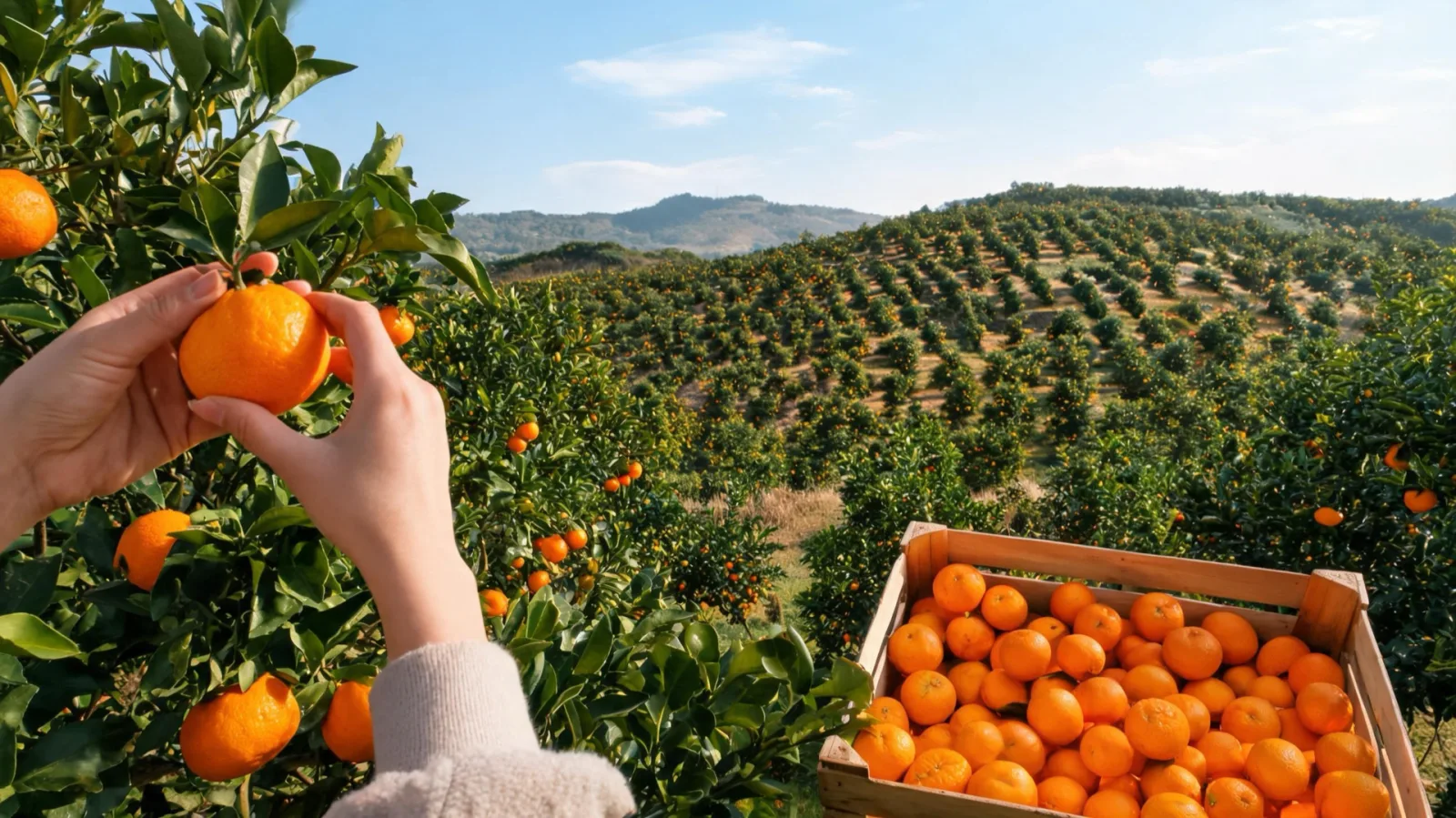
Tangerine Experiences and Tangerine Cafés: Winter Jeju’s Sweet Reason
“Tangerine experience” is not one standard product. Farms differ by variety, outdoor or greenhouse setting, tasting quantity, take-home weight, age rules and rain policy. Confirm the exact farm, operating date, reservation requirement and what the fee includes. If those details are not published, use a café or market stop instead of building the route around an assumed picking session.
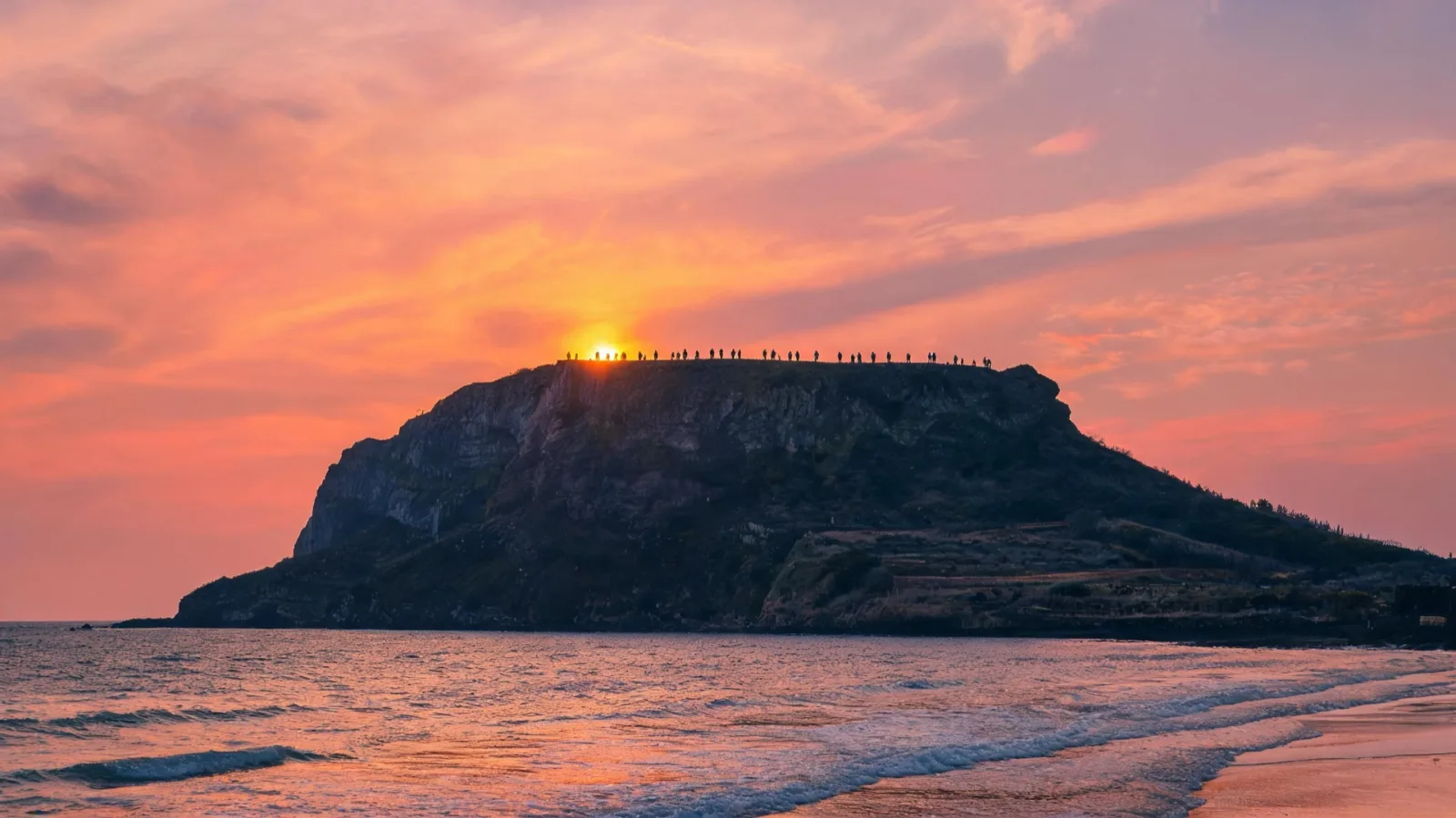
Seongsan Ilchulbong Winter Sunrise
Seongsan Ilchulbong is on the opposite side of the island from Camellia Hill. Combining both in one winter day creates a long cross-island drive and little margin for wind or rain. If sunrise is the priority, stay in the east and move Camellia Hill to another day. Check current opening and trail access before leaving; do not infer access from sunrise time alone.
Hallasan in Snow: A Hike Through the Snowfields
Hallasan is a separate mountain day. The official reservation and control site lists which summit routes require reservations, seasonal entry cut-offs and temporary closures. Check it again on the morning of the hike. Carry winter equipment that matches the published trail condition and turn back at the control time; do not attach Hallasan to the same day as Camellia Hill and an east-coast sunrise.
Jeju Winter Travel Tips
- Clothing: Pack layers and a wind-resistant outer layer. Use the forecast for the actual coast or mountain zone rather than one island-wide temperature.
- Scheduling: Winter daylight is limited, so keep outdoor activities inside the forecast daylight window and leave driving margin before dark.
- Driving: Check the current road and weather conditions for the exact route. Before setting out, check the tires, wipers and headlights, and confirm whether your insurance covers the vehicle.
Frequently Asked Questions
Q. When are the camellias at Camellia Hill at their most beautiful? A. Flowering varies by variety and weather. Check the garden’s current bloom update for your date instead of relying on a fixed peak week.
Q. What should I wear for winter Jeju? A. Use the forecast for the actual coast or mountain zone. Wear layers under a wind-resistant outer shell, and carry gloves and other cold-weather accessories that fit the day.
Q. Can I climb Hallasan in winter too? A. Yes, but Seongpanak and Gwaneumsa require reservations. Check same-day controls and trail conditions, then carry the winter equipment required for the published condition.
Make Camellia Hill the west-side anchor, add only a confirmed tangerine stop nearby, and keep Hallasan or Seongsan for a separate day. That structure leaves room for the weather changes that define winter travel on Jeju.
Sources & verification
A source-based guide. Check the linked operator information again before you travel.
- Camellia Hill Official WebsiteSources checked:
- Visit Jeju - Jeju Tourism OrganizationSources checked:
- Visit Jeju winter activitiesSources checked:
- Visit Jeju tangerine-picking exampleSources checked:
- Visit Jeju Seongsan IlchulbongSources checked:
- Hallasan National Park Trail Reservation SystemSources checked:
- Traveler report: late-November solo Jeju tripSources checked:
- Traveler report: winter Jeju wind and gearSources checked:
- Traveler report: full-day Hallasan hikeSources checked:
Images are examples to aid understanding.
Help us keep this note useful
A quick response helps us decide what to clarify or recheck. No account or email is needed.