“Where should I go for an autumn fruit experience?” Parents looking for an orchard outing with their kids, people wanting to show a Korean autumn to international friends, and people hoping to buy gift fruit cheaply all share the same question. When are pears, persimmons, chestnuts, and sweet potatoes each in season, where are the pick-your-own farms near Seoul, and how much does it cost? This article covers it all in one place: harvest times, recommended farms near Seoul, price ranges, how to choose at the market, storage tips, and a gift guide.
Autumn Fruit Experiences: The Key Points First
- Pears are mainly September–October. Autumn pear varieties (Hwanggeum, Pungsu, Whasan, etc.) are harvested from September, and the well-storing Shingo pear ships from mid-October.
- Persimmons are late September–November. Sweet persimmons are eaten as is, while astringent persimmons are ripened into soft persimmons (hongsi). Dried persimmons are made by drying astringent persimmons picked in October, before the frost, for 50–60 days.
- Chestnuts & ginkgo nuts are around October. Chestnuts peak mainly in October, and ginkgo nuts fall naturally in October–November (per the Korea Forest Service).
- Sweet potato digging is September–October. Many farms near Seoul offer this experience for around 10,000 won (example based on 2 kg).
Autumn Fruit & Vegetable Harvest Times & Experience Price Ranges
| Item | Harvest·season | Main producing areas | Experience·purchase price (approximate) |
|---|---|---|---|
| Pears | September–October (Shingo pear mid-October–) | Naju·Anseong·Mungyeong·Yeongcheon | Picking is market price per kg + tasting, varies by farm |
| Persimmons·dried persimmons | Late September–November / astringent persimmons mid-October–November | Sangju·Yeongwol·Wanju·Gokseong | Dried persimmons vary per piece·per kg |
| Chestnuts | Mainly October | Boeun·Goesan·Yeongwol | Need to check market price per kg |
| Ginkgo nuts | Natural fall, October–November | Street trees and mountains nationwide | Use local government harvest programs |
| Sweet potatoes | September–October | Gimpo·Ganghwa·Pyeongtaek·Anseong | Digging experience about 10,000 won/2 kg as an example |
※ Prices and times vary by year and farm. Before visiting or buying, check the latest information from the farm or official channels.
Pick-Your-Own Farms Near Seoul — Where to Go
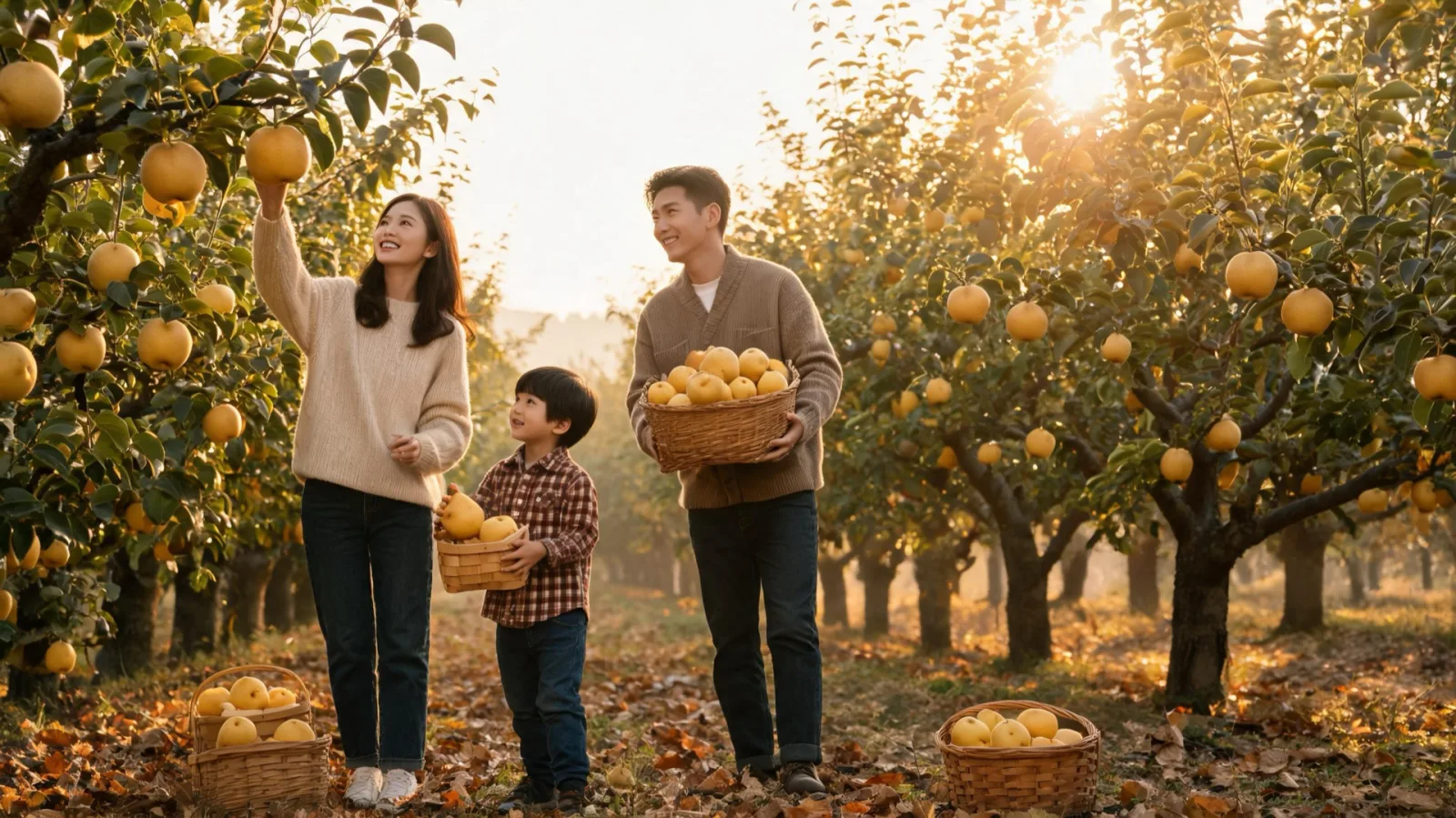
Pear picking — Nurenngi Orchard in Anseong, Gyeonggi (pear and apple picking, on-site tasting), Anna Farm in Namyangju, and others are 1–1.5 hours by car from Seoul. The Whasan pear of Naju, South Jeolla, is known as a representative variety with an average fruit weight of 540 g and a sugar content of around 12 Brix.
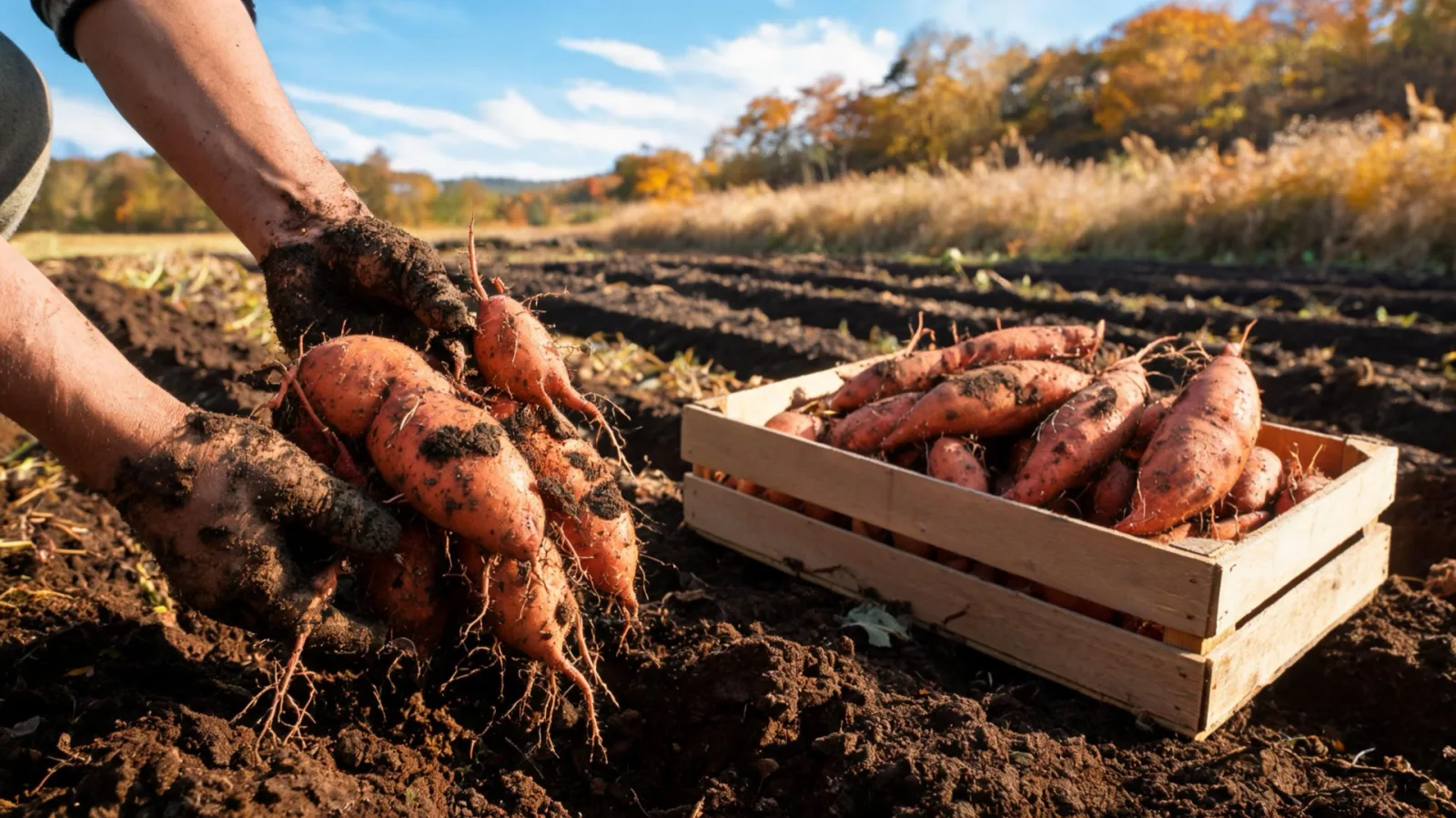
Sweet potato digging — Includes Nongbune Gotgan in Gimpo (advance reservation required), Soraesan Nature Farm in Incheon (season running from September 6, 2025), and the Ganghwa Island Nature Experience Farm. Examples of sweet potato harvest experiences at 10,000 won/2 kg have been confirmed at farms in Gyeonggi Province.
Grapes & others — A Gunpo farm was introduced with a system of paying only for the weight harvested, with no experience fee, and there are grape orchards nationwide in Suwon, Gimje, Yeongcheon, and elsewhere. There are also urban harvest experiences such as the Seoul Agricultural Technology Center’s Eoullim Kitchen Garden.
Choosing Seasonal Fruit (Eating & Storage Tips)
Choosing pears — A good pear feels heavy in the hand, has a glossy skin, and gives off the fruit’s characteristic fragrance. Pears come with a culture of being eaten with pork belly and meat dishes as a digestive aid, and as a dessert.
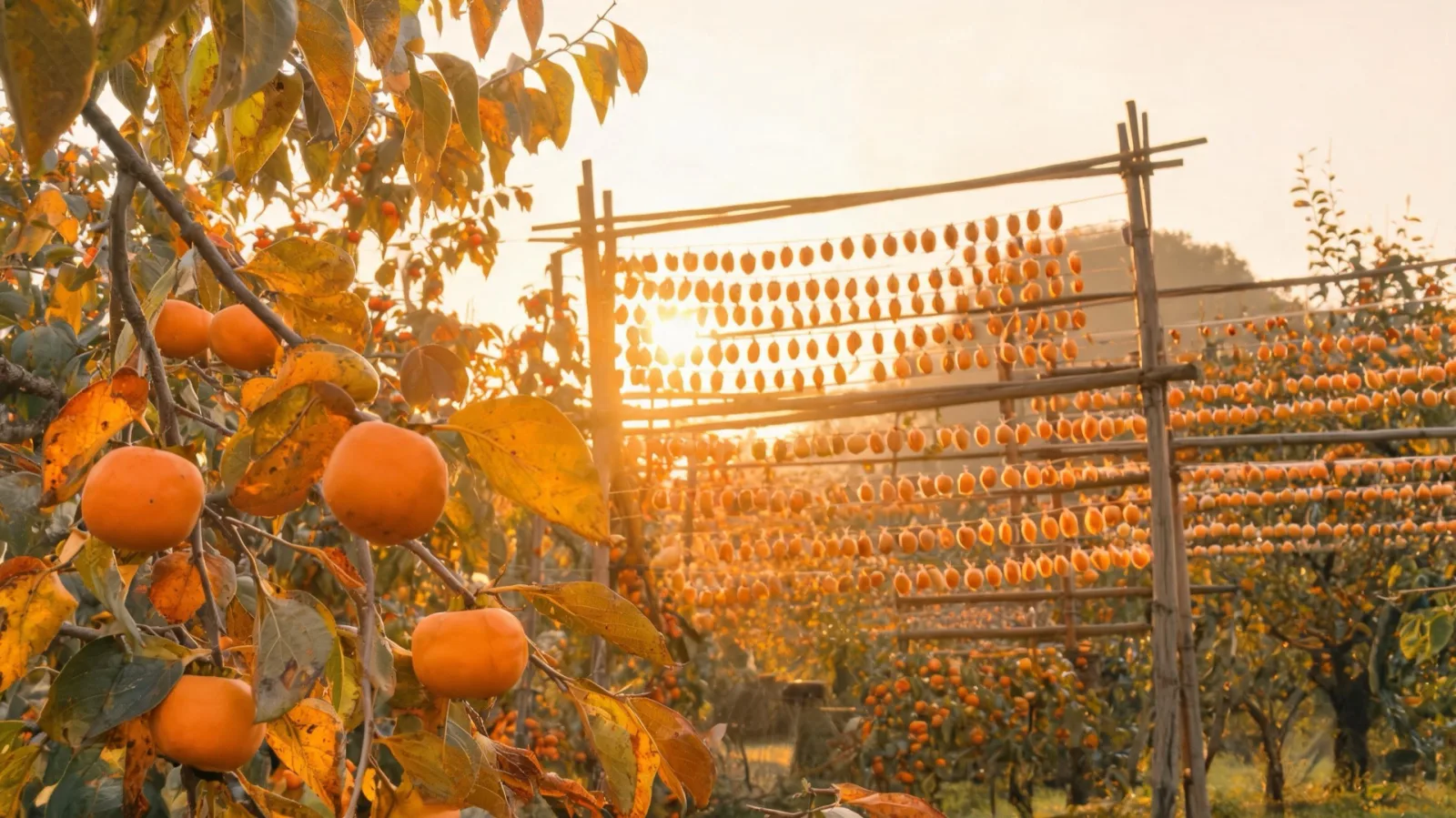
Choosing persimmons — For sweet persimmons, choose ones with a smooth surface and a vivid orange color; for soft persimmons, choose ones that have ripened softly. Dried persimmons are made from astringent persimmons picked in October before the frost, and are traditionally completed by drying for 50–60 days. There are also villages with dried-persimmon experiences and workshops, such as Bamwon Village in Sangju.
Choosing & storing sweet potatoes — Choose ones with a smooth, firm surface, and store them at room temperature of 12–15°C wrapped in newspaper or paper towels so they get ventilation. The refrigerator causes cold damage, so avoid it, and keep them away from fruits that emit ethylene gas, such as bananas, apples, and tomatoes. Many reviews say they taste sweeter after a few days of curing.
Chestnuts & ginkgo nuts — Choose chestnuts with glossy shells and a sense of weight. Ginkgo nuts are recommended only in small daily amounts, and ginkgo fallen from street trees should not be picked up directly due to hygiene and safety concerns — use local government harvest programs instead.
A Day-Trip Experience Tour from Seoul (+ Tips for International Visitors)
- Day-trip zones: Anseong (pears·apples, 1–1.5 hours), Gimpo·Ganghwa (sweet potatoes, 1–1.5 hours), Namyangju·Gunpo·Suwon·Icheon·Yeoju (around 1 hour).
- Overnight zones: Naju·Sangju·Yeongwol·Boeun, etc. An overnight stay is convenient if you want to explore dried-persimmon villages and orchards in depth.
Tips for traveling with international visitors — The fun of Korea’s autumn fruit experience is the “farm culture of picking and tasting on the spot, and paying only for the weight.” Most require a phone call or reservation, so prepare an interpreter for your host or suggest an international tour package as an alternative. The pear + pork belly combination, the story that dried persimmons are a traditional dried snack and an ingredient in hangwa (traditional sweets), and the orchard scenery amid yellow ginkgo leaves and autumn foliage make powerful autumn memories for international visitors. If anyone has allergies (especially nuts or ginkgo), check in advance.
Sangju appears above in the overnight tier, with dried-persimmon villages and orchards that deserve a stay rather than a dash, so you can open MyRealTrip’s accommodation search for Sangju, preset for two adults with the dates set on the page. MyRealTrip carries no pick-your-own farm product in Korea at all, so the harvest experiences themselves are still booked directly with each farm by phone, usually in advance, and never through this link. Sangju inventory is thin at 99 properties and skews to business hotels and pensions, and the results are a date-specific listing rather than a ranking, so check the address, beds, meals, taxes and cancellation terms at checkout. The pages are in Korean.
Gift Guide & Tips·Cautions
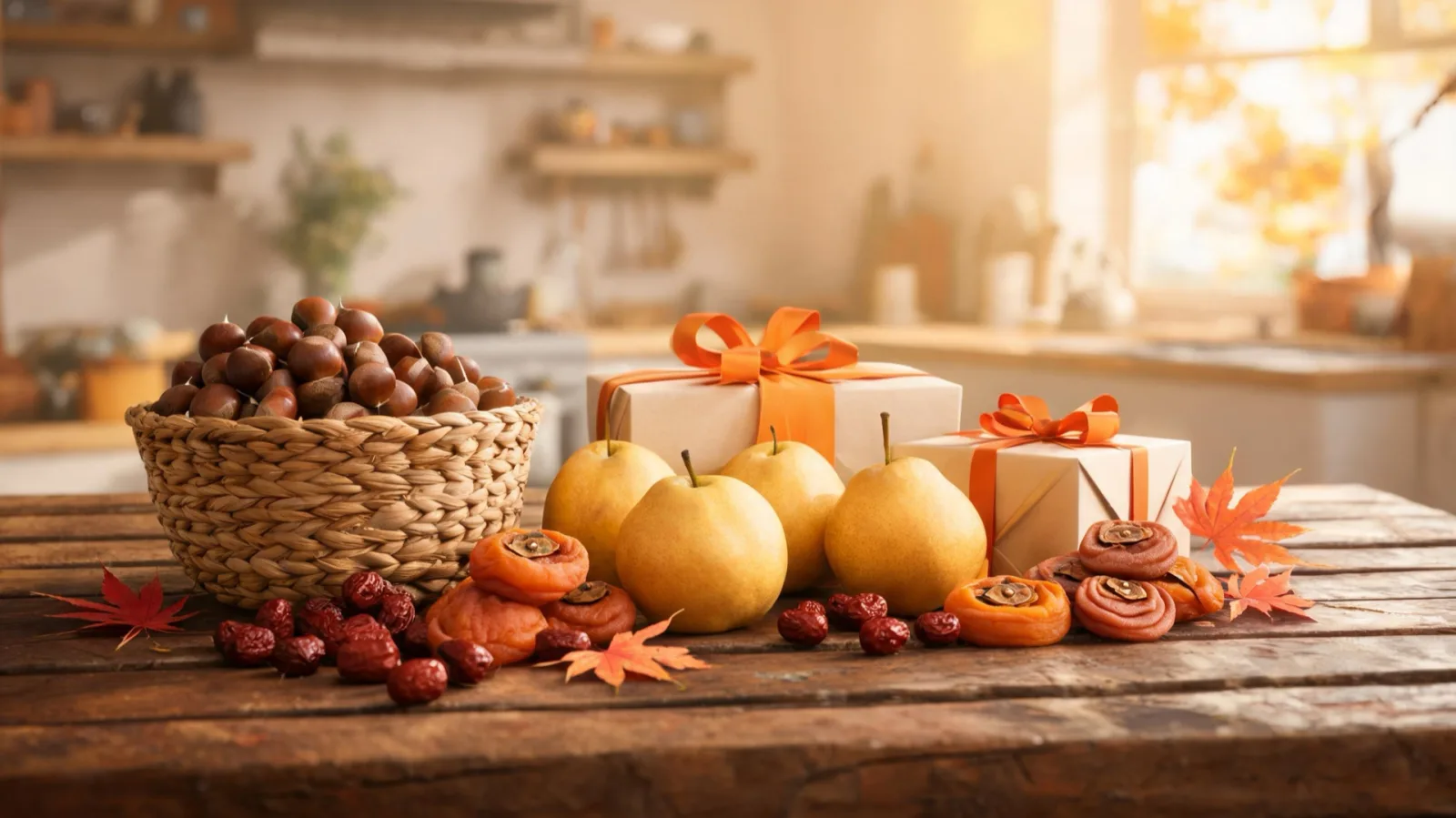
Gift recommendations — For a formal gift, large, evenly shaped pears like Shingo or Whasan, and A-grade dried persimmons like Sangju gotgam, are popular. Pears are typically packed in gift boxes, and dried persimmons come in a variety of grades and prices per piece. Exact market prices differ by the time of purchase and grade, so check at the farm or direct sales outlet.
Tips·Cautions
- Advance reservation required. Experiences such as sweet potato digging are usually by reservation.
- Dress appropriately. Since it’s field work, bring comfortable shoes and a change of clothes.
- Understand weight-based payment. For grapes, pears, and the like, it’s often a system of paying per kg for the amount harvested.
- Ginkgo safety. Don’t pick up ginkgo fallen from street trees directly; use local government programs.
- Check yearly schedules. Experience times and prices change each year, so confirm with the farm’s official contact before visiting.
Frequently Asked Questions (FAQ)
Q. When is pear season, and which varieties are famous? September–October is the autumn pear season. Hwanggeum, Pungsu, and Whasan pears are representative, and the well-storing Shingo pear ships from mid-October.
Q. How are dried persimmons made? Astringent persimmons picked in October, before the frost, are skewered and dried for 50–60 days. Sangju and Yeongwol are known as famous producing areas.
Q. How much is a sweet potato digging experience near Seoul? There are examples of about 10,000 won/2 kg at farms in Gyeonggi Province, offered at farms in Gimpo, Incheon’s Soraesan, and Ganghwa Island. Advance reservation is required, and prices and times need to be confirmed each year.
Q. Can international visitors use the experience farms? Yes. However, reservations are mostly by phone and in Korean, so you can prepare an interpreter for your host or use an international tour package.
Q. How should I store harvested fruit? Wrap pears in newspaper and keep at a cool room temperature; store sweet potatoes in a ventilated place at 12–15°C and avoid the refrigerator. Keep dried persimmons sealed while maintaining their dried state.
Final Checklist
- Checked the season for each item (pears September–October, persimmons late September–November, chestnuts October, sweet potatoes September–October)
- Chose farms near Seoul (Anseong·Gimpo·Namyangju·Gunpo, etc.)
- Checked advance reservations and experience prices (sweet potatoes about 10,000 won/2 kg, etc.)
- Learned choosing and storage tips (pear weight, sweet potato room-temperature storage)
- Checked gift items (pear boxes, A-grade dried persimmons) and market prices
Sources & verification
A source-based guide. Check the linked operator information again before you travel.
- Sangju City Tourism — official siteSources checked:
- Rural Development Administration (RDA) — official siteSources checked:
- Nongsaro (RDA agricultural information portal) — crop guidesSources checked:
Images are illustrative examples to aid understanding, not photographs of the actual facilities.
Continue planning
When Is Eul Fish in Season — and How Long Does It Stay Delicious? A Complete Guide to Autumn Eul Fish Restaurants and How to Eat It Raw or Grilled
When gizzard shad peaks, what it costs, where to eat it in Gunsan, Samcheonpo, Mokpo and Seocheon, and whether to order it raw or grilled.
Korea's Autumn Seasonal Foods: The Complete Guide — From the September·October·November Calendar to Eul Fish, Flower Crab, and Gondre Rice
A month-by-month Korean autumn food calendar: what peaks in September, October and November, where it comes from, and how to eat it.
Enjoying Soy-Marinated Crab (Ganjang Gejang) at the Peak of Flower Crab Season — A Complete Guide to the Best Gejang Restaurants in Seoul and on Ganghwa Island, and How to Choose Them
Blue crab season, telling males from females, gejang alleys in Sinsa-dong and Ganghwa, prices, and how to finish with shell bibimbap.
Help us keep this note useful
A quick response helps us decide what to clarify or recheck. No account or email is needed.