Korean autumn eul fish (전어) is such a special catch that there’s a proverb: “Even a daughter-in-law who ran away from home comes back when she sees autumn eul fish.” Yet when you actually look into it, questions pile up. You can’t easily tell exactly how long the eul fish season lasts, which eul fish restaurants near Seoul make a good day trip, or whether to eat eul fish raw or grilled. There’s even talk that the festival timing has shifted recently. This article covers it all in one place — from the eul fish season and the main restaurant regions like Gunsan, Samcheonpo, and Mokpo, to the story about the calcium in this fish you eat bones and all.
Autumn Eul Fish: The Key Points First
- The traditional season is September–November. In autumn the fish puts on a lot of fat, making it the richest, most flavorful time. Their spawning period of April–July is a closed season, so wild eul fish are only available from summer through autumn.
- Recently August eul fish have also become popular. As the effects of climate change spread the view that August eul fish taste even better, the flagship Sacheon Samcheonpo Eul Fish Festival was moved earlier to August 20–23 for 2026.
- A fish you eat bones and all. The fine bones are spread throughout the flesh, so it can be eaten whole, and there are reports that the bones contain calcium (about 141 mg per 100 g of bones, per reports).
- Raw and grilled each have their own charm. From late summer into early autumn, raw is the standard; in late autumn, grilled is said to be the classic choice.
Eul Fish Season & Price Range Information
| Category | Details |
|---|---|
| Traditional season | September–November (September–October is said to be the most delicious) |
| Recent trend | With climate change, August eul fish are also popular; festival dates are trending earlier |
| Closed season | April–July (spawning period) |
| Price per fish | Prices fluctuate greatly — ranging roughly 10,000–30,000 won depending on the year |
| Festival fixed price | Samcheonpo Eul Fish Festival: sashimi about 30,000 won, grilled about 20,000 won (based on the 2026 event) |
| Raw-fish restaurant set meal | Roughly 20,000–40,000 won per person (varies by region and market price) |
Eul fish is a species whose price changes greatly depending on the year’s catch. A documentary program (골라든다큐) even featured a case where “eul fish I bought for 30,000 won last year cost 10,000 won this year.” Before visiting or buying, be sure to check the current year’s prices at the fish market or in the festival’s official notice.
Where to Eat Eul Fish
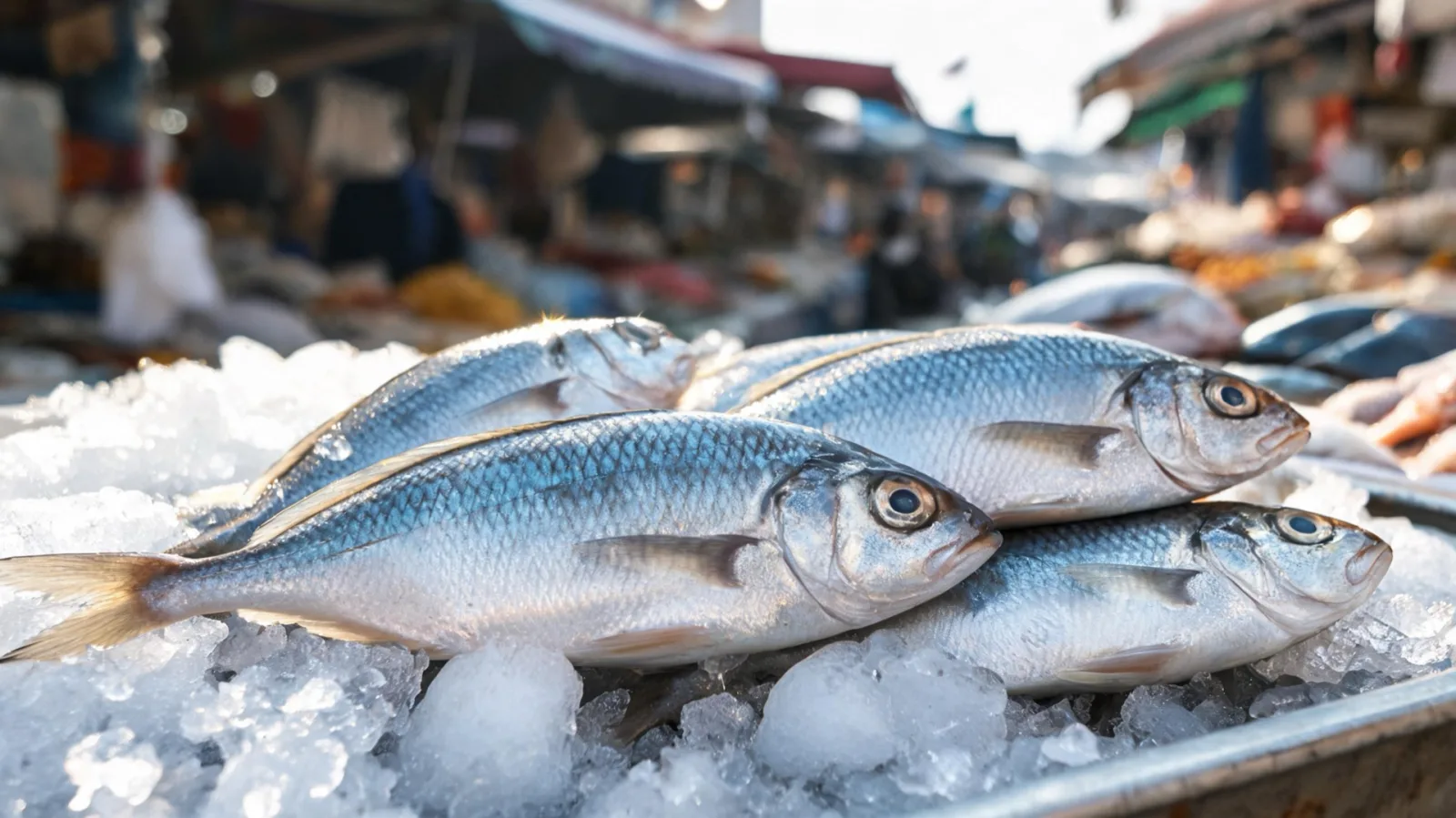
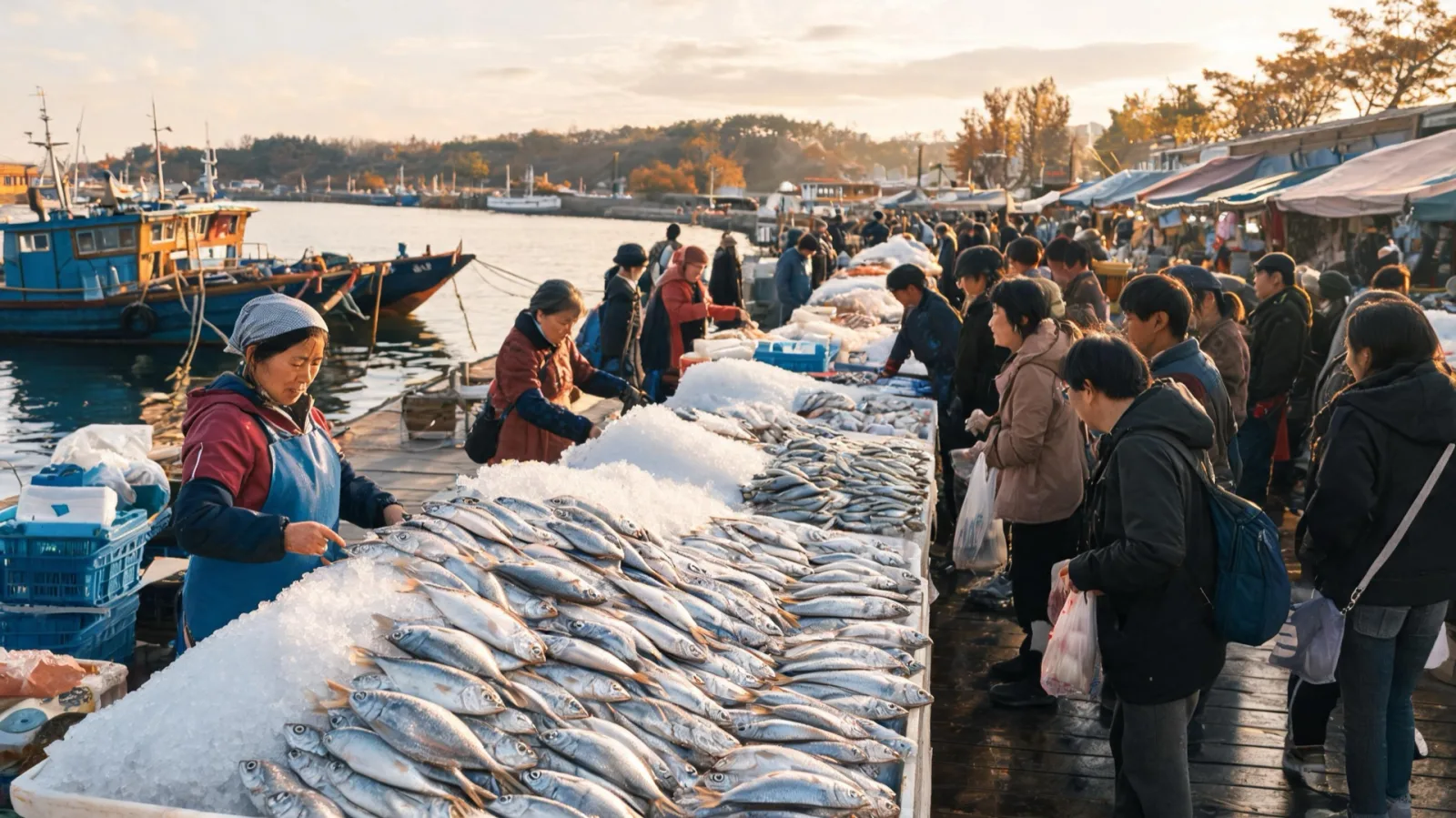
Gunsan (North Jeolla) — The representative producing area for West Sea eul fish. At Gunsan Fish Market, the direct-trade structure is impressive: buy fresh eul fish on the first floor and have it prepared as sashimi or grilled at a restaurant on the second floor. Around the fish market are specialty shops like Singsing Sekkosi, Gunsan Bada Hoejip, and Dolseom Sekkosi.
Sacheon·Samcheonpo (South Gyeongsang) — A specialty city facing the Jinhae Bay fishing grounds where eul fish are caught. The Samcheonpo Port Palpo Food Specialization District hosts the eul fish festival every year, and the raw-fish restaurants around Daepo Port are also famous.
Mokpo·Gwangyang (South Jeolla) — Mokpo is a seafood city famous for both eul fish and gejang, and Gwangyang hosts the Gwangyang Eul Fish Festival around September.
Seocheon Hongwon Port (South Chungcheong) — The festival belt closest to Seoul. As of 2025, the Wild Eul Fish & Flower Crab Festival ran from September 21 to October 6, and the schedule needs to be confirmed in the official notice each year.
Raw vs. Grilled Eul Fish — Here’s How to Enjoy It
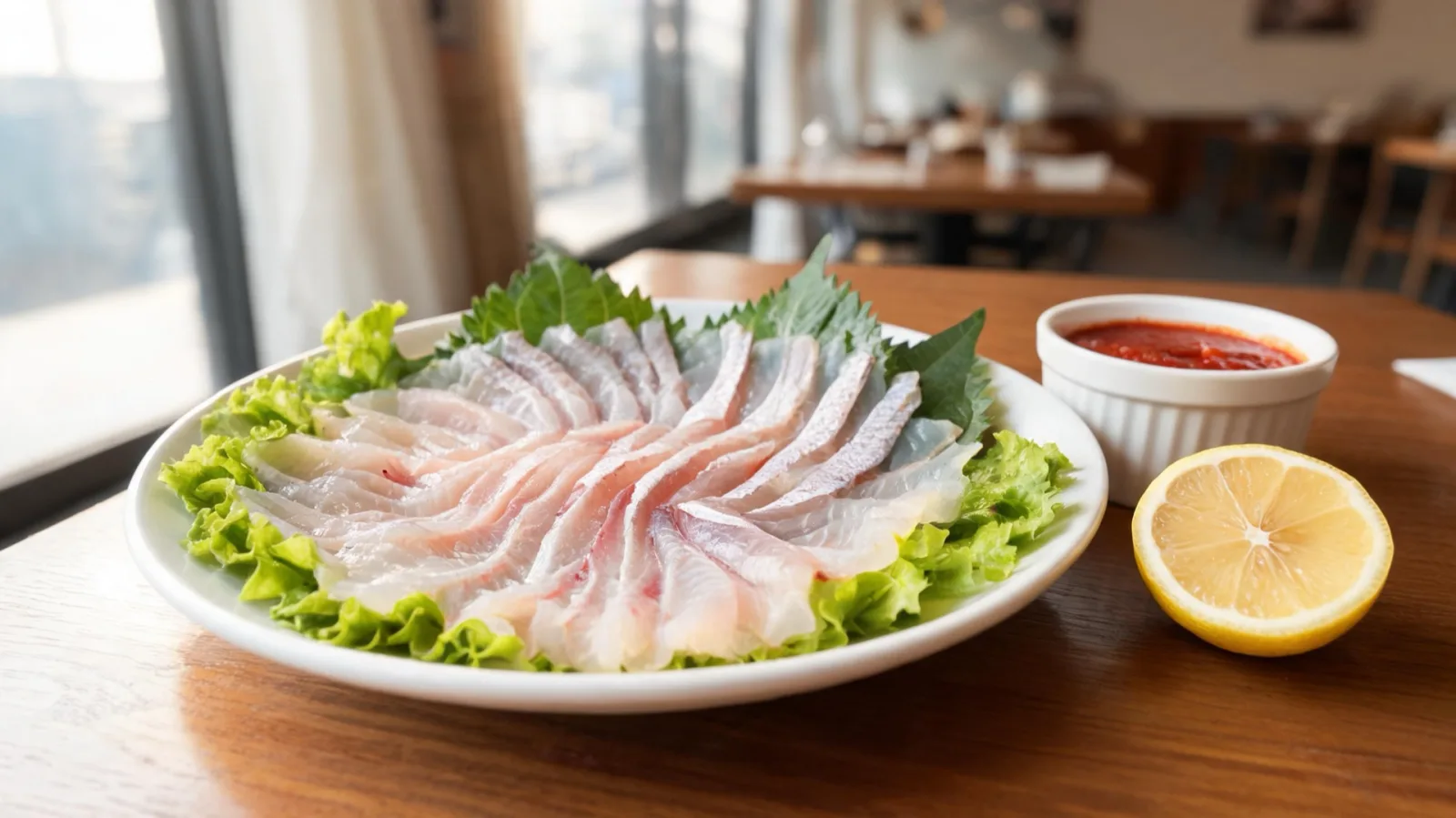
Raw eul fish — Sliced thinly with the fine bones included and eaten with chojang (vinegar-gochujang sauce) or a squeeze of lemon. The rich, oily flesh gets more savory the more you chew. Some reports note that omega-3 (EPA·DHA) can be partly lost in the cooking process, so raw fish is said to be better if you’re thinking about nutrition.
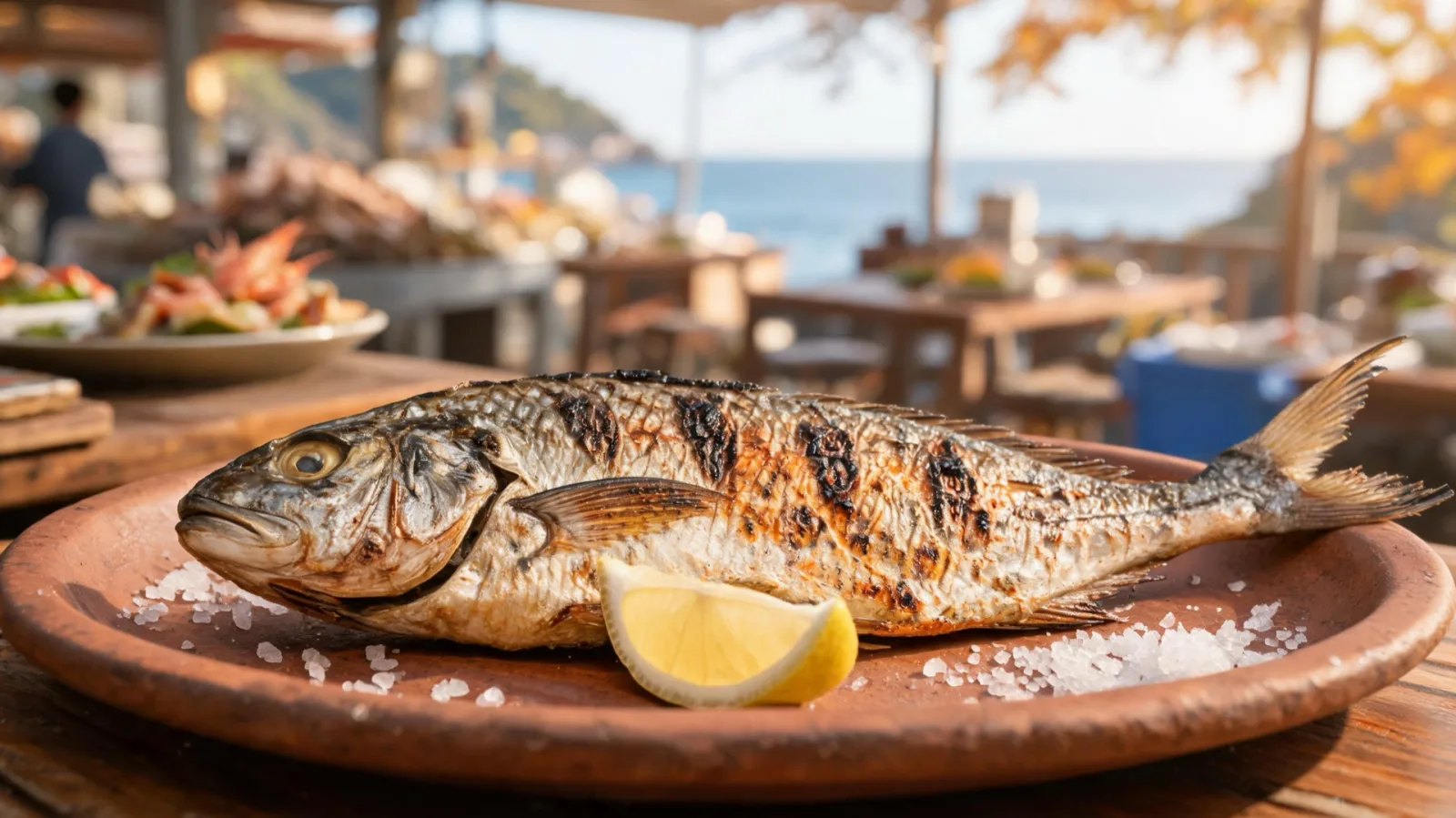
Grilled eul fish — Grilled whole (usually without removing the innards) over a direct charcoal fire with a light sprinkle of salt. With so much oil it burns easily, so controlling the heat is key; at home you can get a surprisingly good result in an oven or air fryer too.
Order tip — Grilled eul fish has a strong aroma that can overpower other dishes, so by convention it’s said to be eaten at the end of the meal.
The calcium story — Eul fish is famous as a fish eaten bones and all because of its small size, and it has been reported that eating the bones provides calcium. Calcium is a nutrient that builds bones and teeth and helps maintain bone density. However, there’s no conclusive evidence that “eul fish prevents osteoporosis,” so it’s appropriate to understand it simply as a way to supplement a nutrient involved in bone health.
A Day-Trip Eul Fish Tour from Seoul (+ Tips for International Visitors)
- Seocheon·Taean: 2–2.5 hours by car from Seoul. During the late-September to early-October festival season, it’s ideal for a day trip.
- Gunsan: About 3 hours by KTX (transfer at Iksan) or express bus. A course combining the fish market and the Modern History Street (Gunsan Time Travel Festival, October 2–5, 2026) is a good choice.
- Sacheon·Samcheonpo: 4–4.5 hours by car or KTX with a transfer at Jinju, so an overnight trip is recommended.
Tips for traveling with international visitors — Start by explaining that eul fish sashimi is a “raw fish eaten bones and all.” The Korean dining culture of eating with chopsticks alone, how to pair it with chojang and lemon, and the direct-trade culture of buying fish on the first floor of the fish market and having it cooked on the second floor are powerful experiences for international visitors. Photo-taking etiquette varies by shop, so ask in advance. Since freshness is everything for fish, we recommend eating at the port or festival site rather than at a city supermarket.
Since the section above puts Sacheon and Samcheonpo four to four and a half hours from Seoul and suggests treating them as an overnight, you can open MyRealTrip’s accommodation search for Sacheon, preset for two adults with the dates set on the page. MyRealTrip carries no gizzard shad tour or fish-market experience anywhere in Korea, so a stay search is the only honest booking for this trip. Samcheonpo is a district of Sacheon City, so check the map pin sits near Samcheonpo Port rather than the airport side; the results are a date-specific listing rather than a ranking, autumn festival weekends sell out early, and the address, beds, meals, taxes and cancellation terms should be checked at checkout. The search page and the property pages are in Korean.
Tips & Cautions
- In late autumn, go for grilled. That’s when the bones get tough, so grilled is safer than raw.
- Prices are different every time. The price per fish varies greatly by year, so checking local notices before visiting is essential.
- Confirm festival schedules officially. Since timing can be moved earlier, as with the Samcheonpo festival, check the official page every year.
- A fish that burns easily. With so much oil, you need to grill it slowly over medium heat so the outside doesn’t burn while the inside cooks.
- Watch for allergies. If you have a fish allergy, you should avoid both raw and grilled.
Frequently Asked Questions (FAQ)
Q. When exactly is eul fish in season? Traditionally September–November. However, with climate change there are more and more views that August eul fish taste good, and in some cases, such as the Samcheonpo festival, the timing has shifted to August.
Q. Should I eat eul fish raw or grilled? Raw is good in the early-to-mid autumn, and grilled in late autumn. If you’re thinking about nutrition such as omega-3, go raw; if you want savory flavor and the fun of eating bones and all, go grilled.
Q. How much does eul fish cost? Prices fluctuate greatly, ranging roughly 10,000–30,000 won per fish depending on the year. The 2026 Samcheonpo festival sold sashimi at a fixed price of 30,000 won and grilled at 20,000 won. We recommend confirming locally before visiting.
Q. Is it really okay to eat eul fish bones and all? Eul fish is a fish whose fine bones are spread throughout, so it’s eaten as sashimi with the bones or picked off the bone when grilled. There are reports that the bones contain calcium, but it’s best to avoid making definitive claims about health benefits.
Q. Where’s a good place to go with an international friend? In terms of accessibility and variety of experience, we recommend Gunsan Fish Market. It’s about 3 hours from Seoul, and you can combine a direct fish-trade experience with sightseeing on the Modern History Street.
Final Checklist
- Checked the eul fish season (traditionally September–November, plus the August eul fish trend)
- Decided on a destination (Gunsan·Samcheonpo·Mokpo·Seocheon) and travel time
- Decided on a raw vs. grilled menu
- Checked this year’s prices and festival schedules in official notices
- Decided whether to stay overnight for distant destinations like Samcheonpo
Sources & verification
A source-based guide. Check the linked operator information again before you travel.
- Seocheon County Tourism (Hongwon Port festival area) — official siteSources checked:
- Gunsan City Tourism — official siteSources checked:
- National Institute of Fisheries Science (NIFS) — fisheries resource informationSources checked:
Images are illustrative examples to aid understanding, not photographs of the actual facilities.
Continue planning
The Complete Guide to Autumn Fruit-Picking Experiences — Pears, Persimmons, Chestnuts & Sweet Potatoes, Farms Near Seoul, and a Gift Guide
When pears, persimmons, chestnuts and sweet potatoes are picked, which farms near Seoul run harvests, what they cost, and how to store the haul.
Korea's Autumn Seasonal Foods: The Complete Guide — From the September·October·November Calendar to Eul Fish, Flower Crab, and Gondre Rice
A month-by-month Korean autumn food calendar: what peaks in September, October and November, where it comes from, and how to eat it.
Enjoying Soy-Marinated Crab (Ganjang Gejang) at the Peak of Flower Crab Season — A Complete Guide to the Best Gejang Restaurants in Seoul and on Ganghwa Island, and How to Choose Them
Blue crab season, telling males from females, gejang alleys in Sinsa-dong and Ganghwa, prices, and how to finish with shell bibimbap.
Help us keep this note useful
A quick response helps us decide what to clarify or recheck. No account or email is needed.