At a glance
“How much does a Japan trip actually cost?” This article uses dated planning examples, not fixed quotes; your dates, airport, room and exchange rate change the total. As of September 2026, 3 nights/4 days is about 620,000–900,000 KRW and 5 nights/6 days is about 1,400,000–1,800,000 KRW per person as a realistic range. This article breaks down “Japan trip cost for 3 nights/4 days” and “Japan trip budget for 5 nights/6 days” item by item, so you can calculate the total that fits your own trip.
The Key Criteria — What to Compare First
The biggest variable is the exchange rate. As of September 2026, 100 yen ≈ 860–890 KRW, so for easy math treat 1,000 yen ≈ 8,700 KRW. Second is airfare season. The difference between off-peak, shoulder, and peak seasons can be hundreds of thousands of won. Third is accommodation grade. Tokyo often prices above many regional cities, while Osaka and the regions are relatively cheap.
Price and Essential Information Tables
Table 1. Flights (round trip departing Incheon, 1 person)
| Route | Lowest | Average | Peak (cherry blossoms, holidays) |
|---|---|---|---|
| Incheon–Narita | about 140,000–180,000 KRW | about 180,000–310,000 KRW | about 300,000–330,000 KRW |
| Incheon–Kansai | about 130,000–190,000 KRW | about 200,000–300,000 KRW | about 390,000–500,000 KRW |
Table 2. Price by Accommodation Type (per night)
| Type | Per night (¥) | Per night (approx. KRW) |
|---|---|---|
| Dormitory | ¥2,500–4,500 | 22,000–39,000 |
| Capsule | ¥3,000–6,000 | 26,000–52,000 |
| Business hotel | ¥7,000–15,000 | 61,000–130,000 |
| Ryokan (2 meals) | ¥15,000~ | 130,000~ |
One July 2026 market reference put the business-hotel average at ¥14,860 per night, with Tokyo around ¥17,000; treat both as a market reference rather than a guaranteed rate. A ryokan with 2 meals averages about ¥15,000 per person.
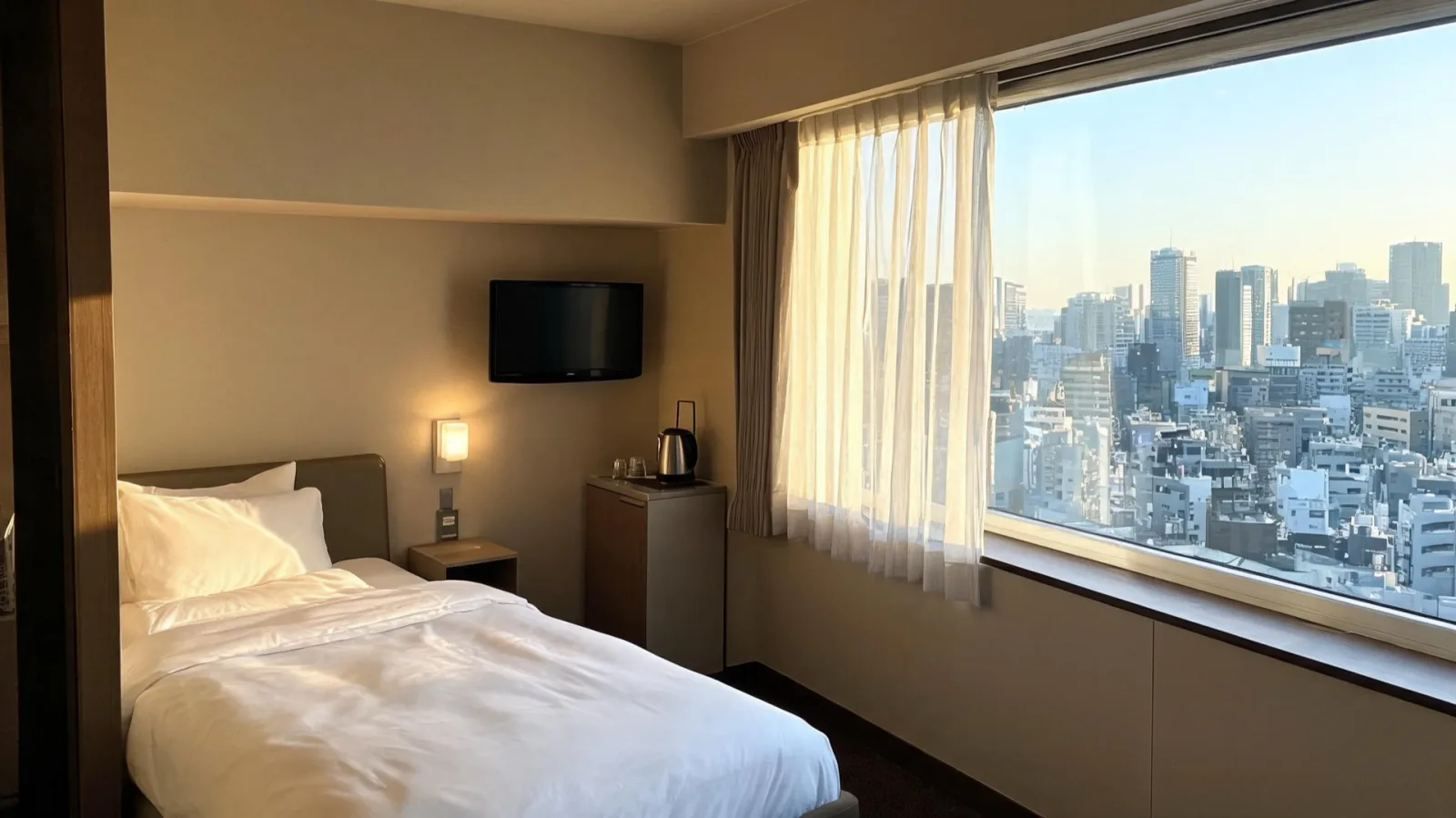
Table 3. Food Costs (1 person, per meal/item)
| Item | Price (¥) | Approx. KRW |
|---|---|---|
| Convenience store onigiri | 187–198 | 1,700–1,900 KRW |
| Gyudon (beef bowl) regular | 450–498 | about 3,900–4,300 KRW |
| Ramen (standard) | 800–1,000 | about 7,000–8,700 KRW |
For daily food costs, use the benchmarks budget ¥2,500–3,500 / standard ¥5,000–8,000 / comfortable ¥10,000+.
Recommendations by Situation
- Ultra-budget (80,000–100,000 KRW/day): Dormitory or capsule + convenience store and gyudon + mainly in-city.
- Standard (120,000–180,000 KRW/day): Business hotel + eating out + sightseeing. Most travelers fall here.
- Comfortable (250,000 KRW/day+): 3-star hotel or ryokan + wide-area Shinkansen travel.
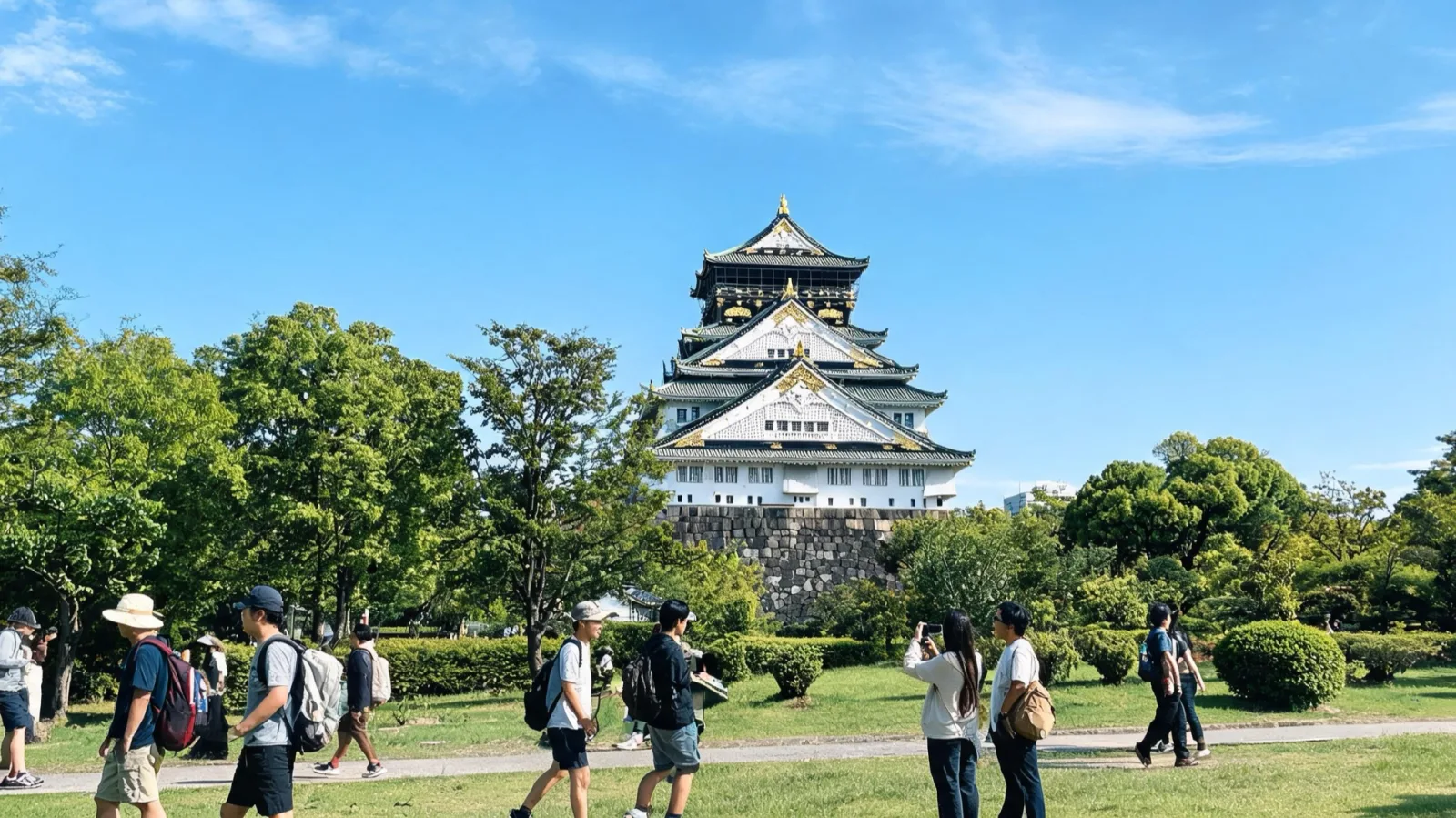
- Osaka/Kyoto 3 nights/4 days low budget: 3 nights lodging ¥24,000 + 4 days food ¥12,000 + transport and shopping ¥15,000 comes to about 620,000–700,000 KRW.
How to Reserve and Buy
- Flights: Booking LCCs early is key. For cherry blossoms (late March–April), autumn leaves (November), and the year-end/New Year period, booking 3 months ahead is essential; for shoulder season, 2 months ahead is recommended. Prices differ widely between LCCs and FSCs (Korean Air, ANA, JAL, etc.), so compare by the total including baggage.
- Accommodation: Book a refundable rate, minimize Tokyo, and weight your stay toward Osaka and the regions to save. In peak season, booking early is almost the only answer.
- Spread out your currency exchange: Combining cash with cards like Travel Wallet or Travelog can cushion exchange-rate swings. Keep some cash on hand for small shops that don’t accept cards.

Tips and Cautions Worth Knowing
- Watch for changes in lodging tax. Accommodation taxes differ by municipality and room price. Check the destination’s current tax rule when you book; do not apply a universal percentage.
- Transport costs: Manage in-city travel with an IC card and wide-area travel with passes or advance Shinkansen reservations (see the JR Pass and IC card articles).
- Include only one night at a ryokan to balance experience and budget.
- Tax-free shopping basically requires a purchase of 5,000 yen or more and carrying your passport, and since system changes are under discussion, check the latest information.
- Set aside a 10% contingency to absorb unexpected spending.
- Readers in Taiwan and Hong Kong: Flights from Taipei or Hong Kong are often similar to or cheaper than from Korea, and using accommodation and activity discounts via KKday or Klook can lower your total further.
Frequently Asked Questions (FAQ)
Q. How much does a 3-night/4-day Osaka trip cost? A. (Japan trip budget 2026) On a low budget about 620,000–700,000 KRW, and generally around 800,000–900,000 KRW.
Q. What’s the budget for 5 nights/6 days in Tokyo + Kansai? A. Including flights, lodging, and transport, about 1,400,000–1,800,000 KRW per person is realistic.
Q. How much have Japanese prices risen? (Japan food prices) A. Gyudon is 450–498 yen and ramen is in the 800–1,000 yen range. With rice prices falling in 2026, some convenience store onigiri dropped slightly in price.
Q. Where is lodging cheapest? A. Tokyo was higher in the cited July 2026 market reference (around ¥17,000). Osaka, Fukuoka, and the regions are relatively cheaper.
Q. How do I factor in the exchange rate? A. Calculate on 100 yen = 860–890 KRW, and set aside a contingency for fluctuations.
Final Checklist
- Check the flight booking season (3 months ahead for peak)
- Decide the accommodation grade and area (minimize Tokyo)
- Set a daily food benchmark (budget/standard/comfortable)
- Reserve wide-area transport (passes, Shinkansen) in advance
- Spread out currency exchange + secure a 10% contingency
Image note
The images are illustrative visual aids for route planning, not claims of a personal visit or on-location photography.
Sources & verification
A source-based guide. Check the linked operator information again before you travel.
- Skyscanner Korea route searchSources checked:
- Japan hotel price trend referenceSources checked:
- Sukiya 2026 price noticeSources checked:
- Wise JPY/KRW converterSources checked:
Images are illustrative examples to aid understanding, not photographs of the actual facilities.
Continue planning
Japan eSIM vs. Pocket WiFi 2026: How to choose
Choose between a Japan eSIM and pocket WiFi by group size, data needs, device support, battery and return rules.
Japan JR Pass 2026: Price and break-even guide
Compare 2026 nationwide JR Pass channel prices, Nozomi rules and a practical break-even check.
Japan Transit Cards 2026: Suica, PASMO and ICOCA
A current guide to physical and mobile Suica, PASMO and ICOCA, including visitor cards and Shinkansen limits.
Help us keep this note useful
A quick response helps us decide what to clarify or recheck. No account or email is needed.