“People say autumn is the season for eating — so what exactly is in season?” In Korea, autumn is associated with the saying cheon-gomabi—“the sky is high and the horse is fat”—a phrase that evokes the season’s abundance. Yet when you actually try to work out what to eat and where to go in September, October, and November, the information is scattered like puzzle pieces. This article brings it all together: autumn seasonal foods, organized in one place as both a month-by-month calendar and an ingredient-by-ingredient table. From seafood such as eul fish (전어), flower crab (꽃게), and large shrimp (대하), to pears, persimmons, chestnuts, and sweet potatoes, and on to gondre rice (곤드레밥) — everything you need to plan a grocery run, a one-day food tour, or a meal for international guests.
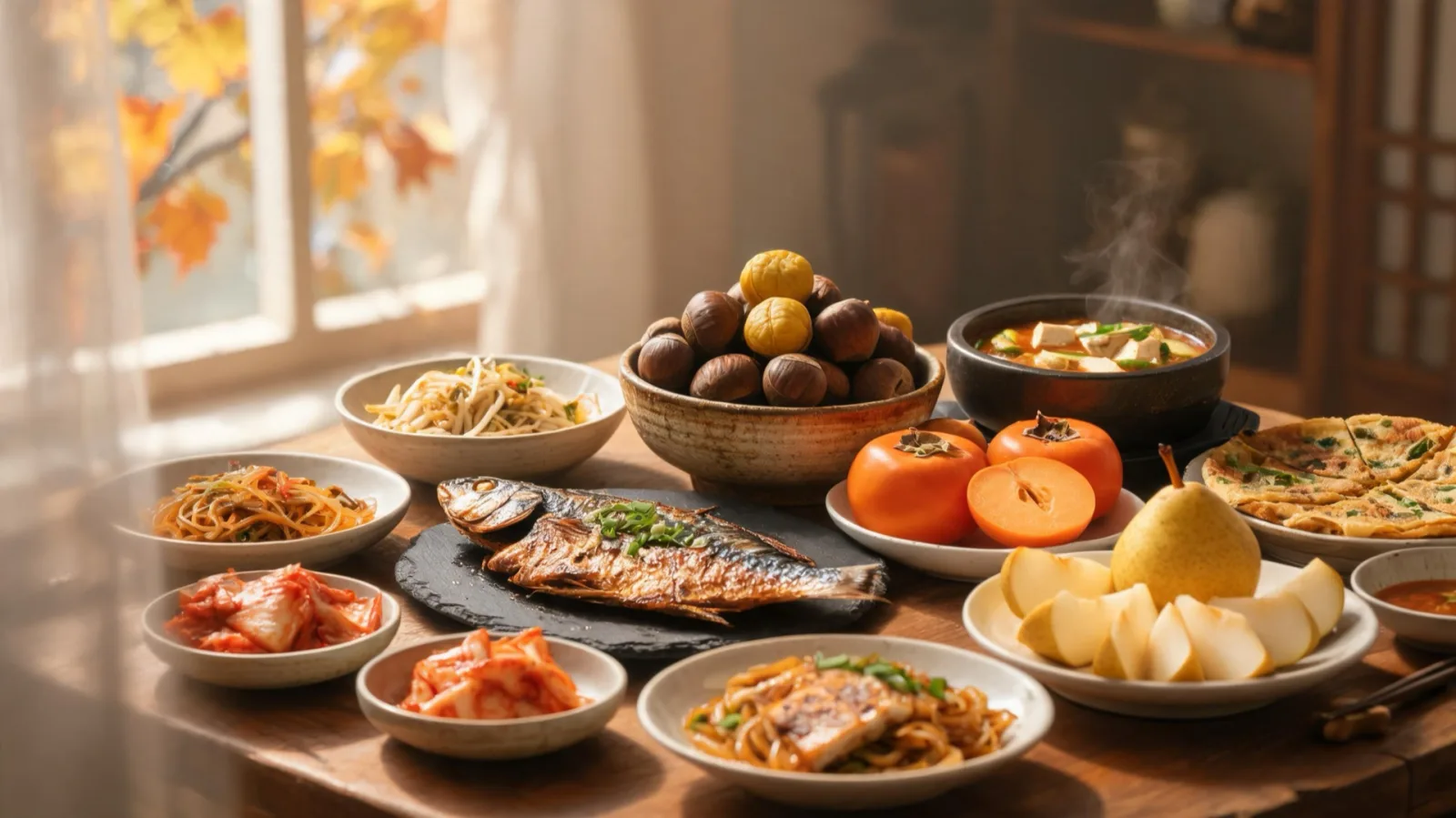
Autumn Seasonal Food Highlights
- The seafood trio: Eul fish, flower crab, and large shrimp all reach their peak between September and November. The West Sea festival belt is a great place to enjoy them all at once.
- The season of fruit and root vegetables: Pears, persimmons, chestnuts, sweet potatoes, and ginkgo nuts hit their harvest peak around October.
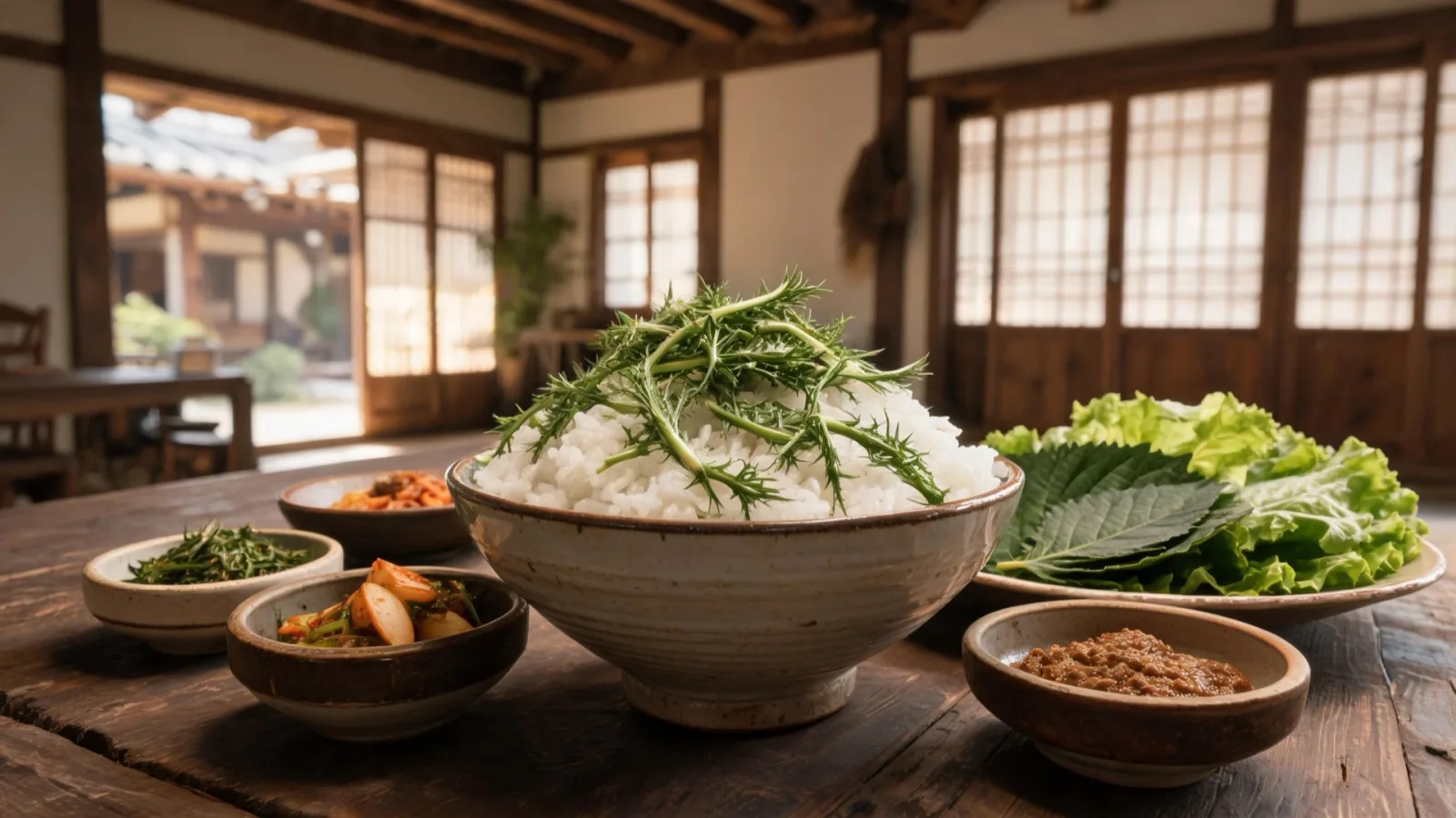
- The season of mountain greens: Gondre rice and sanchae jeongsik (wild-vegetable set meals) are the classic table for autumn hikes and outings.
- One seasonal item to watch out for: Scallops’ real season begins in November. Be careful with information claiming “scallops in September–October.”
September–November Monthly Seasonal Calendar
| Month | Representative seasonal foods |
|---|---|
| September | Eul fish, large shrimp, hairtail, flower crab (early season), pears (Whasan etc.), grapes (late season), figs, sweet potatoes, eggplant, lotus root, mushrooms (shiitake etc.), taro, jujubes |
| October | Persimmons (sweet persimmons in full swing), apples (Hongro etc.), chestnuts, ginkgo nuts (falling begins), pears (Shingo·Whasan), sweet potatoes, large shrimp, flower crab (male crab), octopus, napa cabbage & radish (for kimchi) |
| November | Apples (Fuji), persimmons (late season·dried persimmons), scallops (season starts Nov–Apr), sea urchin (autumn sea urchin), ginkgo nuts, napa cabbage·radish·broccoli, lotus root, sea bream·yellowtail (early season), female flower crab |
Seasonal Timing, Main Producing Regions & How to Eat, by Ingredient
| Ingredient | Season | Main producing regions | Typical ways to eat |
|---|---|---|---|
| Eul fish (전어) | Sep–Nov (recently trending earlier, to Aug–Oct) | Gunsan, Sacheon·Samcheonpo, Gwangyang, Mokpo | Raw (bones and all), grilled |
| Flower crab (꽃게) | Sep–Nov (autumn male crab; female crab from November) | Ganghwa Island, Mokpo, West Sea coast | Soy-marinated crab (ganjang gejang)·spicy marinated crab, crab stew (gegukji) |
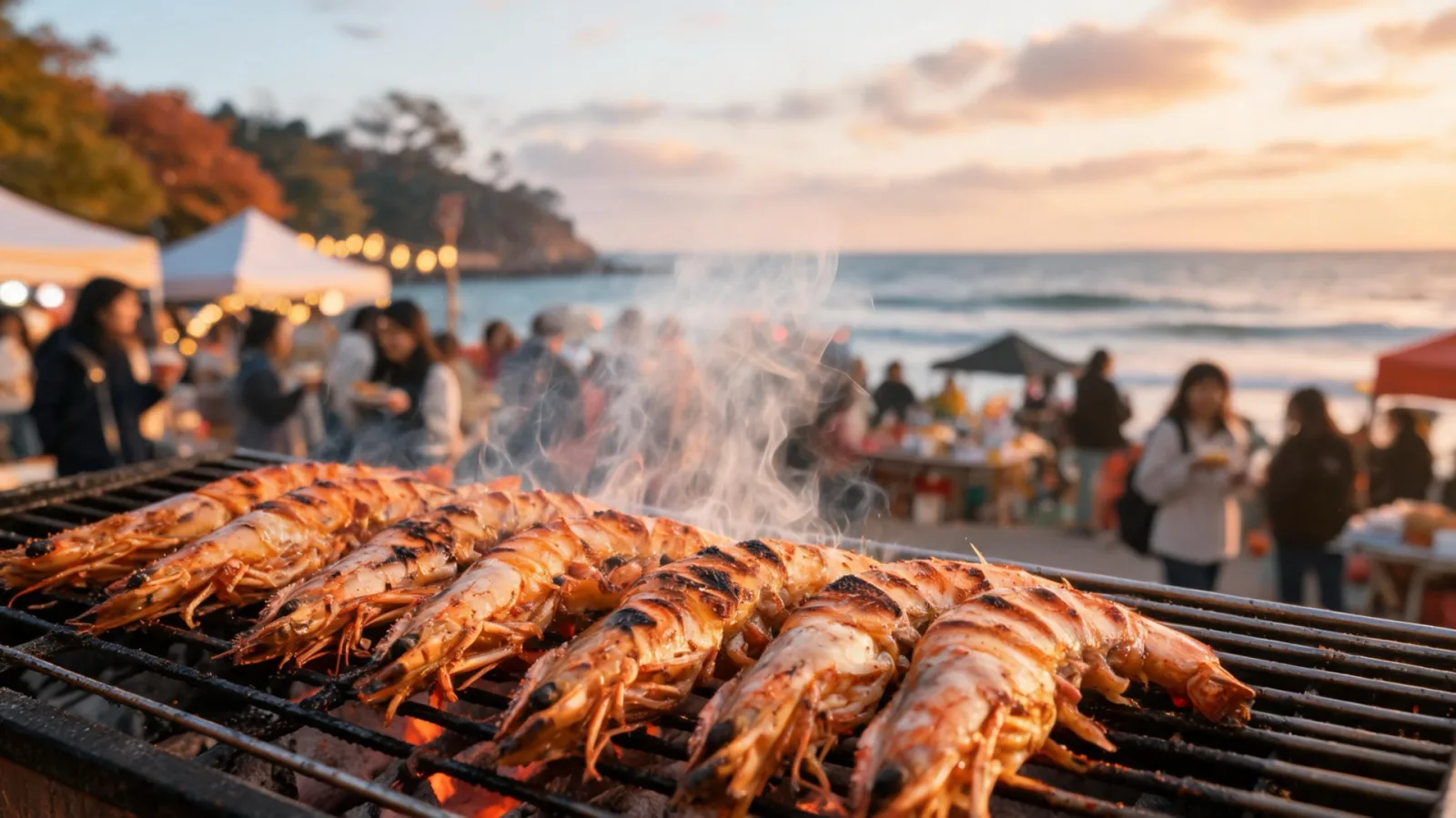
| Large shrimp (대하) | Sep–Nov, especially Sep–Oct | Namdang Port, Hongseong, Chungnam and other West Sea areas | Salt-grilled |
| Sea urchin (성게) | Twice: spring (Mar–May) and autumn (Sep–Nov) | Uljin, Ulleungdo | Sea urchin roe, rice bowl (donburi) |
| Scallops (가리비) | November–April | Goseong, Tongyeong, South Gyeongsang | Steamed, butter-grilled, sushi |
| Pears (배) | August (Wonhwang)–mid-October (Shingo); Whasan pears mid-Sep–early Oct | Naju, Anseong, Mungyeong | Fresh, pear dessert (baesuk) |
| Persimmons (감) | Late September–November, centered on Oct–Nov | Sangju, Yeongwol, Wanju | Fresh, dried persimmons |
| Chestnuts (밤) | Centered on October (new-crop chestnuts) | Boeun, Goesan, North Chungcheong | Roasted chestnuts, chestnut rice |
| Ginkgo nuts (은행) | Natural fall, Oct–Nov | Street trees and mountains nationwide | Roasted ginkgo nuts |
| Sweet potatoes (고구마) | Sep–Oct (new-crop sweet potatoes) | Gangjin·Haenam, Gimpo etc. | Steamed sweet potatoes, candied sweet potatoes (mattang) |
| Gondre (곤드레) | For gondre rice, consumed year-round as dried greens; an autumn table culture | Pyeongchang, Hoengseong, Gangwon | Gondre rice + wraps |
A few more points: Eul fish are protected during their April–July spawning season, so those caught in autumn are considered the richest and most flavorful. In autumn, flower crabs are prized for being packed with meat (male crab), while from November the female crab — eaten for both its meat and roe — becomes popular. Sea urchin roe is most plentiful in summer, but the best time for flavor is said to be spring and autumn. And to emphasize once more: scallop season begins in November.
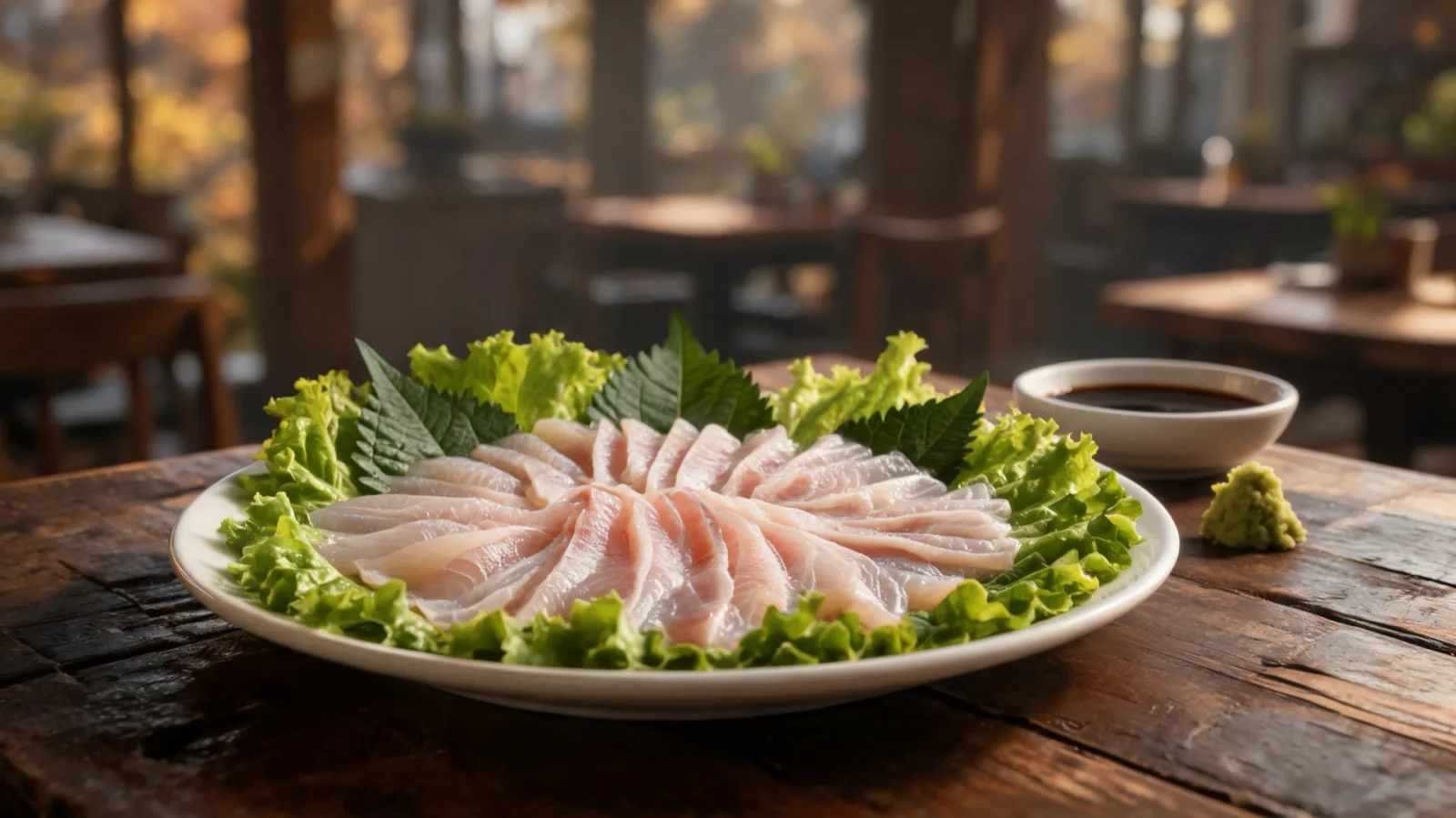
Autumn Food Festivals — Based on 2025 Dates
| Festival | Region | 2025 dates |
|---|---|---|
| Namdang Port Large Shrimp Festival | Hongseong, Chungnam | 2025.8.22–9.7 |
| Gwangyang Eul Fish Festival | Gwangyang, Jeonnam | 2025.9.12–14 |
| Hongwon Port Wild Eul Fish & Flower Crab Festival | Seocheon, Chungnam | 2025.9.21–10.6 |
| Muchangpo Mystery Sea Road Large Shrimp & Eul Fish Festival | Taean, Chungnam | 2025.9.21–10.13 |
| Sacheon Samcheonpo Port Wild Eul Fish Festival | Sacheon, Gyeongnam | 2026.8.20–23 confirmed (23rd edition) |
⚠️ Most 2026 autumn festival schedules have not yet been announced. The table above is based on 2025 (or the most recently confirmed) dates, and since festivals change every year, be sure to check each festival’s official website for the latest schedule before you visit. Note that the Sacheon Samcheonpo Eul Fish Festival has in some years been moved earlier to August due to the effects of climate change — eul fish are traditionally listed as September–November, but keep in mind that recently the season has been shifting earlier to August–October.
Getting a Feel for Restaurants & Prices
As an overview article, please treat this as a “rough sense” rather than exact prices. Market prices fluctuate greatly from year to year.
- Eul fish: As an example of fixed festival prices, sliced raw fish runs about 30,000 won and grilled about 20,000 won (example from the Samcheonpo festival). This species has especially large price swings.
- Gejang (marinated crab): A set meal for one is typically 20,000–45,000 won. Gejang Alley in Sinsa-dong, Seoul, and Ganghwa Island are the representative areas.
- Gondre rice: Around 10,000 won per person (example from the Bongpyeong area in Pyeongchang). Sanchae jeongsik runs 12,000–17,000 won (Hoengseong example).
- Harvest experiences near Seoul: Sweet potato digging at 10,000 won/2 kg as an example; pear and apple farms can be found in Anseong and Namyangju, and grapes in Gunpo and Suwon.
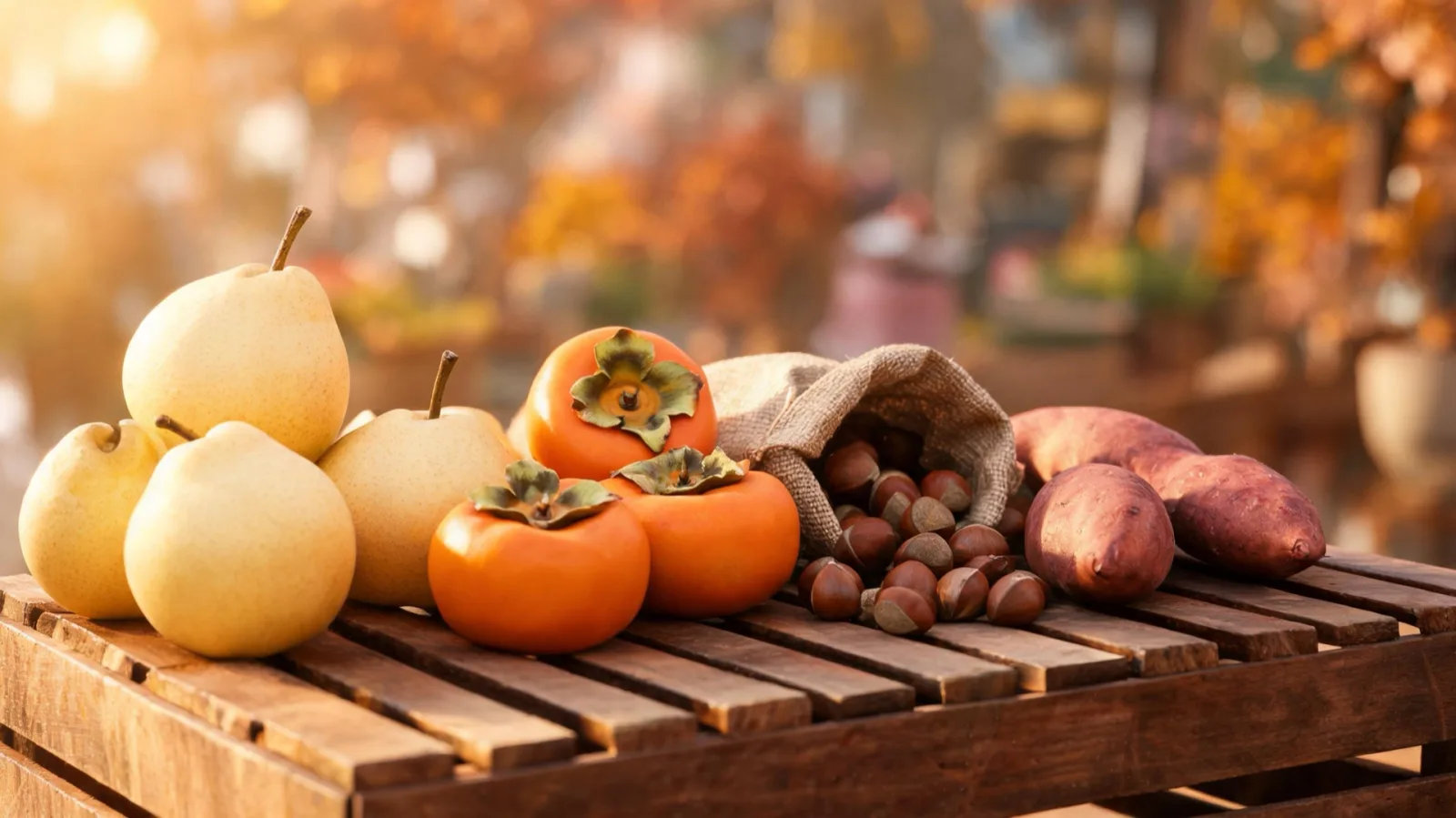
Transportation & Access — Day-Trip Food Tours and Tips for International Visitors
Travel time from Seoul
- West Sea festival belt (Hongseong·Seocheon·Taean): 2–3 hours by car; doable as a day trip. Ganghwa Island is 1.5–2 hours.
- Pyeongchang·Hoengseong (gondre rice·sanchae jeongsik): 2–2.5 hours by car, or a KTX + bus combination; doable as a day trip.
- Sacheon·Gwangyang (eul fish): A bit far, so an overnight trip or use of a K+ ticket is recommended.
Tips for international guests & travelers
- Eul fish sashimi is eaten bones and all — a uniquely Korean food culture. Introducing in advance that the chewy bone texture is the highlight gets a great response.
- With soy-marinated crab, share its nickname “rice thief” (bapdoduk) and let guests experience the culture of mixing rice into the crab shell after eating.
- Showing how to tell male and female flower crabs apart by their belly flap at the market makes for a great experience.
- The Seoul Tourism Organization’s Visit Seoul also introduces the “Top 5 Autumn Seasonal Foods” (eul fish, pears, etc.) in English, so you can use it as a reliable reference.
- Harvest experiences near Seoul such as pear picking and sweet potato digging in Anseong and Gimpo are especially popular with international visitors traveling with families.
If the plan is to take a visiting friend to a market rather than explain seasonal food at a table, you can book the Jongno 5-ga market street-food tour for 109,756 KRW, a guided walk through the Gwangjang-area alleys with about ten tastings, drinks and a Korean drinking-game session included. It is the best-reviewed Korean market food tour on the platform, which matters for a guide like this one that covers the whole country rather than a single region. It runs year-round as a street-food walk, so it will not guarantee gizzard shad or blue crab on the day you go, vegetarians are only partly accommodated, and dietary restrictions have to be declared in advance. The meeting point is Exit 7 of Jongno 5-ga Station, and the product page is in Korean.
Tips & Cautions
- Soy-marinated crab is an uncooked crab dish. Use hygienic establishments that keep it thoroughly refrigerated, and buy only as much as you’ll consume the same day if possible.
- Remember the general recommendation that ginkgo nuts are safe only in small amounts, about 1–2 per day. Take extra care, especially with children.
- Prices of eul fish and other catches fluctuate greatly. Information like “cheaper/pricier than last year” should be rechecked at the time of your visit.
- Festival schedules change every year. The festival information in this article is based on 2025 dates; for 2026, check the official announcements before finalizing your plans.
- It’s safer to use officially licensed establishments rather than street stalls handling raw fish.
Frequently Asked Questions (FAQ)
Q1. I heard scallops are in season in September? No. Scallop season is November–April. The main producing regions are Goseong and Tongyeong in South Gyeongsang; keep in mind that in autumn (September–October) they are not yet at their true peak. In autumn, eul fish, flower crab, and large shrimp are the real stars.
Q2. When exactly is eul fish in season? Traditionally it’s listed as September–November. However, there have recently been cases (such as the Sacheon festival) where the timing has shifted earlier to August–October, so it’s best to check the latest news for your destination.
Q3. What autumn food-trip destinations can I reach from Seoul as a day trip? The representative ones are the West Sea festival belt of Hongseong, Seocheon, and Taean (2–3 hours by car), Ganghwa Island for gejang (1.5–2 hours), and Pyeongchang·Hoengseong for gondre rice (2–2.5 hours).
Q4. What’s the difference between autumn crab and spring crab? In autumn (September–November), male crabs packed with meat are popular, and from November female crabs enjoyed for both meat and roe become popular. In spring (April–June), female crabs full of roe are in season.
Q5. When is sea urchin most delicious? Sea urchin has two seasons: spring (March–May) and autumn (September–November). The roe is most plentiful in summer, but the peak of flavor is said to be spring and autumn.
Final Checklist
- Decide this month’s menu using the monthly seasonal calendar (September: eul fish·large shrimp / October: flower crab·persimmons·chestnuts / November: scallops·Fuji apples)
- If planning a festival visit, check the 2026 schedule on the official website
- Set your budget with some leeway for price fluctuations
- Check the hygiene of the establishment for gejang
- If inviting international guests, prepare to introduce the “rice thief” and “bones-and-all sashimi” culture
- Only a small amount of ginkgo nuts
The season of cheon-gomabi—“the sky is high and the horse is fat”—is when Korea sets its most bountiful table. From September’s eul fish to November’s scallops — with this one calendar, plan your entire autumn of eating.
Sources & verification
A source-based guide. Check the linked operator information again before you travel.
- Rural Development Administration (RDA) — official siteSources checked:
- Nongsaro (RDA agricultural information portal) — crop guidesSources checked:
- Ministry of Oceans and Fisheries — official siteSources checked:
Images are illustrative examples to aid understanding, not photographs of the actual facilities.
Continue planning
The Complete Guide to Autumn Fruit-Picking Experiences — Pears, Persimmons, Chestnuts & Sweet Potatoes, Farms Near Seoul, and a Gift Guide
When pears, persimmons, chestnuts and sweet potatoes are picked, which farms near Seoul run harvests, what they cost, and how to store the haul.
When Is Eul Fish in Season — and How Long Does It Stay Delicious? A Complete Guide to Autumn Eul Fish Restaurants and How to Eat It Raw or Grilled
When gizzard shad peaks, what it costs, where to eat it in Gunsan, Samcheonpo, Mokpo and Seocheon, and whether to order it raw or grilled.
Enjoying Soy-Marinated Crab (Ganjang Gejang) at the Peak of Flower Crab Season — A Complete Guide to the Best Gejang Restaurants in Seoul and on Ganghwa Island, and How to Choose Them
Blue crab season, telling males from females, gejang alleys in Sinsa-dong and Ganghwa, prices, and how to finish with shell bibimbap.
Help us keep this note useful
A quick response helps us decide what to clarify or recheck. No account or email is needed.