
The route that fits four days
A first Tokyo trip works better when each full day stays inside two neighboring areas. Use Shibuya or Shinjuku as a west-side base if nightlife and a Haneda arrival matter most. Use Ueno or Asakusa as an east-side base if the last flight leaves Narita and an easier airport morning matters more. Changing hotels costs more usable time than it saves on a three-night stay.
| Day | Timed route | What to reserve |
|---|---|---|
| 1, arrival | Hotel by 15:00 → Shibuya from 16:00 → crossing and dinner after the view | SHIBUYA SKY only if the flight lands early enough |
| 2, east Tokyo | Senso-ji 08:00 → Asakusa lanes → lunch → Ueno from 14:00 → Akihabara after 17:00 | Nothing essential |
| 3, west Tokyo | Meiji Jingu 09:00 → Harajuku → Shibuya or Shinjuku from 15:00 | Use this day for SHIBUYA SKY if Day 1 is risky |
| 4, departure | One neighborhood near the hotel, then collect bags and leave | Airport seat if using a reserved train |
This is deliberately a two-area limit. A traveler who completed a four-day solo trip reported walking 17,000 to 23,000 steps a day and still described the plan as hectic. The lesson is practical: keep one flexible evening and do not make an outdoor deck the only reason for visiting Shibuya.
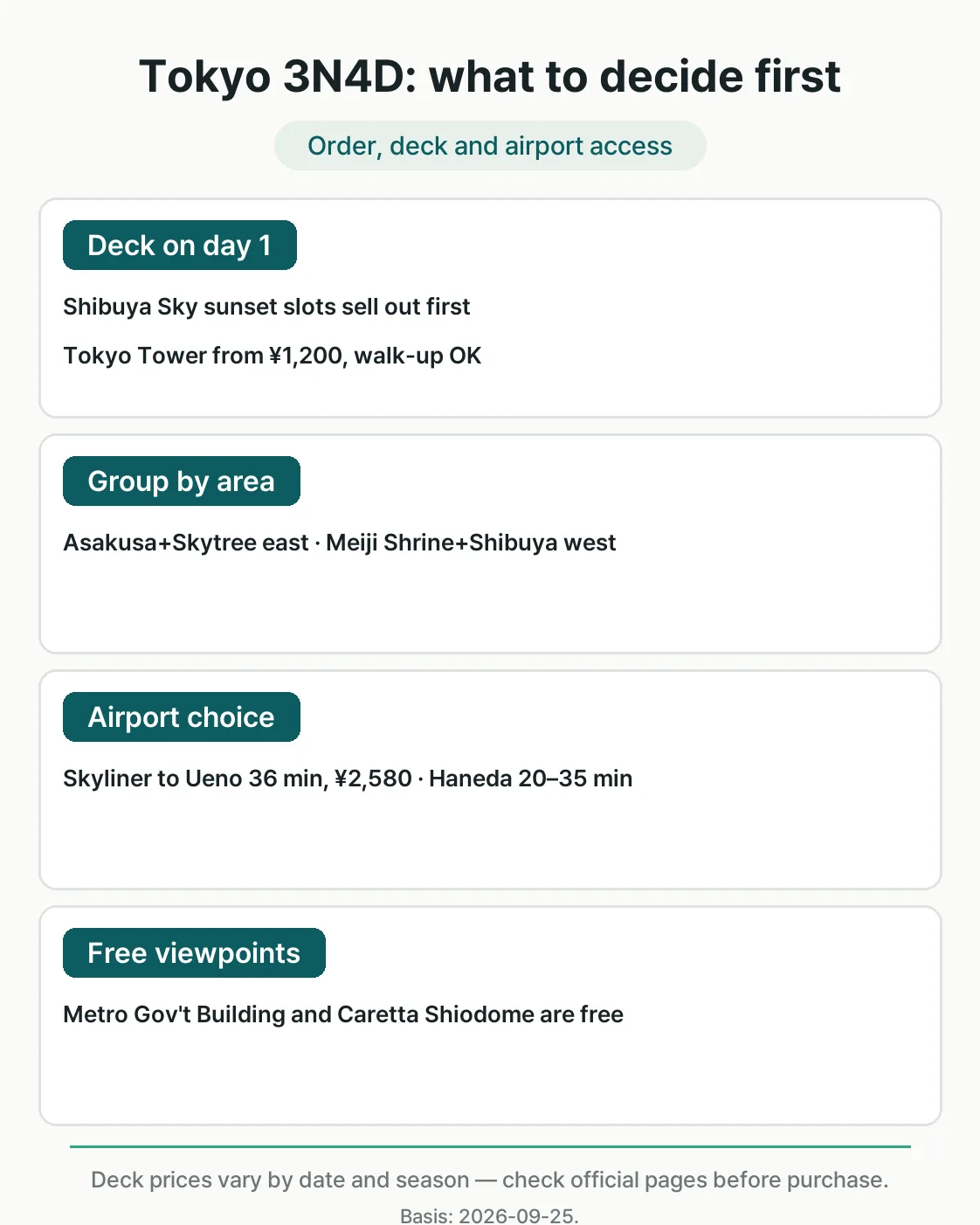
Book SHIBUYA SKY by time, then build around it
The official ticket page checked on October 20, 2026 lists adult web tickets at ¥2,700 before 15:00 and ¥3,400 from 15:00. Counter tickets are ¥3,000 and ¥3,700. Buy the product shown for your date rather than relying on an old flat price. The outdoor rooftop can close for weather, while indoor viewing areas may remain available under the operator’s rules.
Put a 17:00 booking into this sequence: Meiji Jingu at 09:00, lunch around Harajuku at 12:30, shopping or a café from 14:00, SHIBUYA SKY check-in with margin, then the crossing and dinner. If the deck belongs on Day 1, allow at least two hours between the scheduled airport arrival and any nonrefundable city booking, plus the airport-to-hotel trip. A delayed flight can erase that buffer.
The March 2023 trip report and the first-timer loop report both reinforce the same planning rule: queues and timed attractions expand a day faster than a map suggests. Treat the table above as an order and a cutoff, not a promise that every shop will fit.
Choose the airport link by hotel, not reputation
| Airport and hotel area | Direct option to check first | When another option is better |
|---|---|---|
| Narita → Ueno or Nippori | Keisei Skyliner | Use JR if the hotel is closer to a JR destination and the transfer is simpler |
| Narita → Tokyo, Shinagawa, Shibuya or Shinjuku | JR Narita Express routes shown for the travel date | Airport bus can help when it stops at the hotel and luggage is the priority |
| Haneda → Shinagawa or Asakusa-side through service | Keikyu | Choose the monorail for a Hamamatsucho connection |
| Haneda → hotel served by airport bus | Airport bus | Rail is safer when road-delay risk matters |
Do not copy one “Tokyo airport fare” into the budget. The destination station, product and date determine the current fare and travel time. Check the named operator for the exact journey, then add the walk and any transfer to the hotel. On departure day, plan to reach the airport according to the airline’s deadline and work backward from the specific train or bus you intend to use.
The four-day solo traveler used the Narita Express to a Shinjuku base and later said the airport trip took more time than expected. That is why Day 4 above stays near the hotel. A last morning in Odaiba, followed by bag collection across town, creates two avoidable crossings before a flight.
East day and west day
Start the east day at Senso-ji before the busiest late-morning period. Continue on foot through Asakusa, then ride toward Ueno for the park, museums or Ameyoko. Pick one substantial afternoon activity. Akihabara works as an evening finish because it is on the same side of the city; adding Shibuya does not.
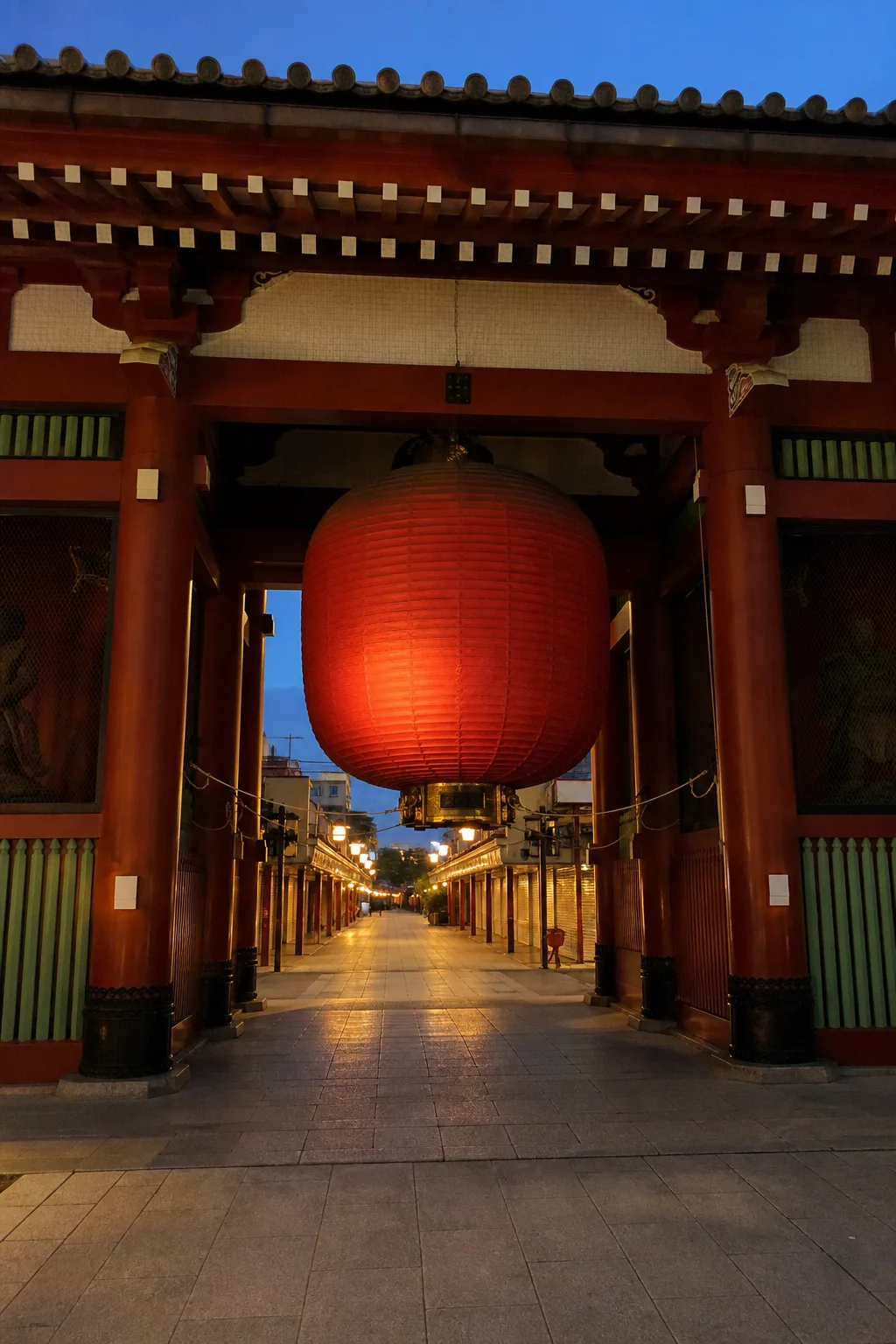
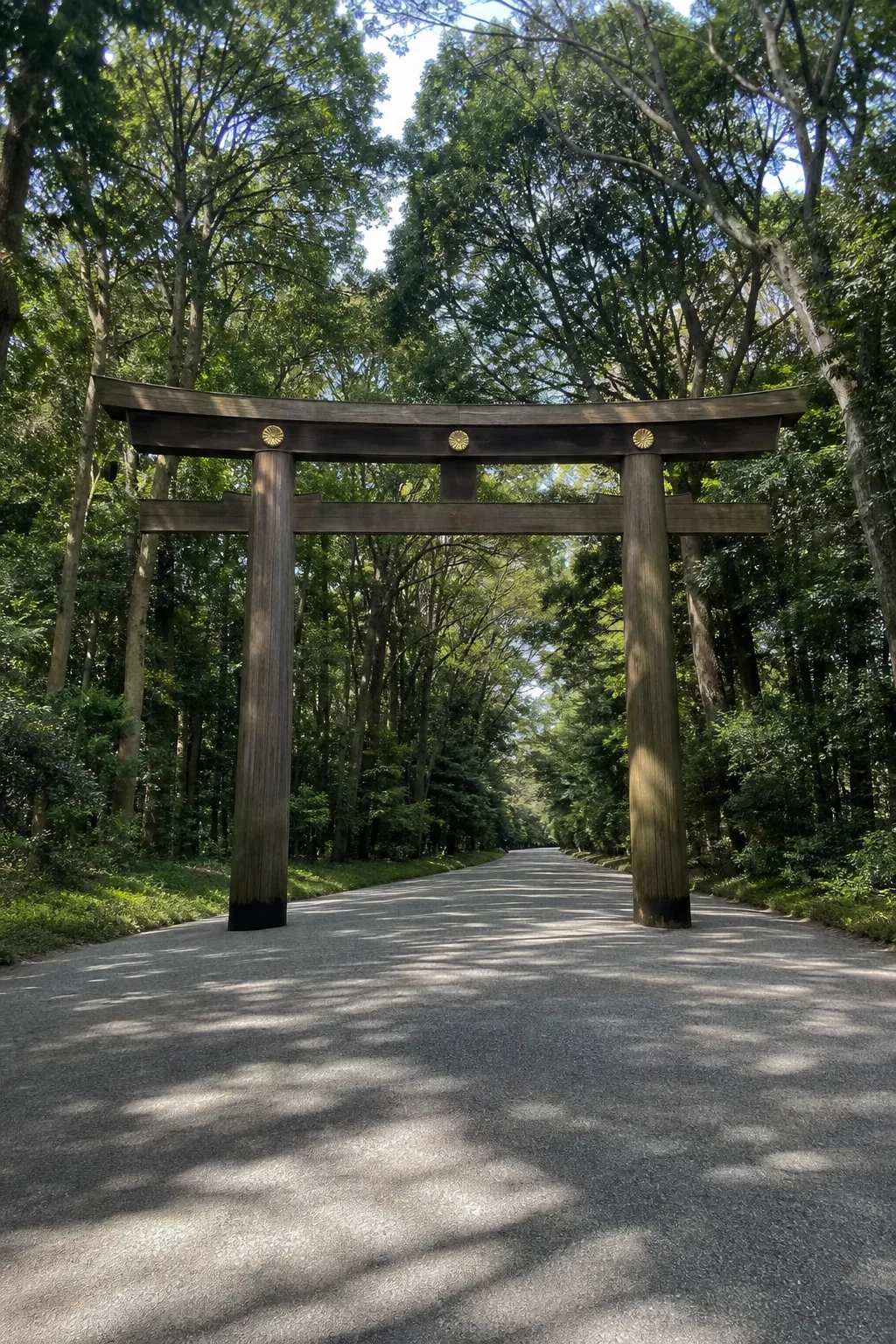
On the west day, Meiji Jingu, Harajuku and Shibuya form a natural southbound line. Shinjuku can replace Shibuya after lunch, but doing both slowly and keeping a fixed deck time is difficult. If shopping matters, reserve a block for it instead of scattering ten named shops through the day.
For the final morning, choose one place reachable without changing sides of the city. From Ueno or Asakusa, revisit a nearby market or kitchenware street. From Shinjuku or Shibuya, use a nearby garden, department store or breakfast stop. Collect luggage before the airport segment begins.
Decisions to make before payment
- Pick the lodging side from the departure airport and evening priorities.
- Decide whether SHIBUYA SKY belongs on the flexible Day 3 rather than arrival day.
- Save the exact airport operator page and departure, including the hotel-to-platform walk.
- Keep a weather substitute for the rooftop.
- Remove one area if the plan exceeds two main neighborhoods on a full day.
Checked on October 20, 2026. Attraction availability and transport schedules can change; use the linked operator pages for the visit date.
Sources & verification
A source-based guide. Check the linked operator information again before you travel.
- SHIBUYA SKY official ticketsSources checked:
- Keisei Skyliner official guideSources checked:
- JR East Narita ExpressSources checked:
- Keikyu Haneda accessSources checked:
- Tokyo Monorail official guideSources checked:
- Four-day solo Tokyo trip reportSources checked:
- March Tokyo and Kyoto trip reportSources checked:
- First-timer Japan loop trip reportSources checked:
Images are examples to aid understanding.
Help us keep this note useful
A quick response helps us decide what to clarify or recheck. No account or email is needed.